


Why Do Knitted Hats Lose Their Shape After Washing?
Why Do Knitted Hats Lose Their Shape After Washing?
A knitted hat may look well formed when it leaves the factory, then become loose at the crown, stretched at the opening, twisted at the seams, or uneven after only one wash. For a consumer, this is disappointing. For a brand, distributor, or promotional-product buyer, it can become a quality claim that affects repeat orders. The question is rarely just whether the hat was washed “correctly.” Shape retention is determined much earlier, through fiber selection, yarn construction, knitting tension, finishing, dimensional testing, and the care instructions supplied with the product.
Knitted structures are inherently flexible. Unlike a rigid woven cap panel, a beanie or knitted scarf gets much of its shape from loops under tension. Water, heat, friction, detergent, and drying conditions can change that balance. A good knitted hat is not one that never moves at all; it is one designed to recover to an acceptable size and silhouette after normal care.
The Basic Mechanism: Loops Relax When Fibers Get Wet
Every knitted fabric is a network of interlocking yarn loops. During knitting, those loops are formed under controlled tension. Washing introduces moisture and mechanical action, allowing fibers and loops to relax, shift, or expand. If the yarn has insufficient elastic recovery, the hat may stay wider or longer than its original measurements.
This is particularly visible in rib-knit cuffs. The rib structure is meant to grip the head and recover after stretching. Once the cuff loses recovery, the entire hat appears worn out even when the crown remains intact. A slouchy style may tolerate more dimensional movement, while a close-fitting fisherman beanie, skull cap, or folded-cuff hat has much less room for variation.
Fiber behavior matters. Wool can absorb considerable moisture and may felt or shrink when exposed to heat, agitation, and unsuitable detergents. Cotton is comfortable and breathable but can absorb water, become heavy, and stretch while wet. Acrylic is widely used in knitted hats because it is lightweight, warm, color-flexible, and generally easier to care for, but its performance still depends on yarn quality and construction. Blends can balance hand feel, warmth, durability, and recovery, yet a blend percentage alone does not guarantee stable results.
Four Common Reasons a Hat Changes Shape
1. The yarn does not recover adequately
Stretch and recovery are related but not identical. A hat can stretch comfortably over different head sizes and still recover well; that is the desired outcome. Problems appear when the yarn elongates under load but does not return after wetting, wear, or washing. Low resilience may come from the fiber choice, yarn twist, blend design, or the absence of a suitable elastic component in areas that need grip.
For buyers, it is worth separating “soft hand feel” from “good recovery.” Very soft yarn can be appealing on the sales rack, but excessive softness may also signal a looser structure that needs closer evaluation. The right choice depends on the intended style, gauge, fit, and expected wash method.
2. The knit construction is too loose for the design
Gauge, stitch density, and loop length influence both appearance and stability. A looser knit creates softness and drape, but it also provides more room for loops to shift. That may be appropriate for a relaxed winter beanie, but it is risky when the product brief calls for a crisp cuff, a compact silhouette, or reliable logo placement.
Inconsistent tension across production can cause another problem: one hat may recover well while another from the same shipment becomes distorted. This is why in-process checks matter. Finished-garment inspection alone can identify obvious defects, but it may not reveal how a knitted structure behaves after laundering.
3. Heat and agitation are harsher than the material can tolerate
High washing temperatures, vigorous cycles, tumble drying, and rough handling can all change a knitted hat. Heat may relax some fibers, distort synthetic yarns, or encourage wool fibers to lock together. Strong agitation can stretch a wet cotton-rich hat or cause pilling and surface damage. A hat tossed into a mixed load with heavy garments is exposed to more friction than one washed gently with lightweight knitwear.
Drying is often where shape loss becomes permanent. Hanging a soaked knit hat can pull the crown downward. Drying it over a radiator may create uneven heat exposure. Flat drying, with the hat gently reshaped to its intended dimensions, is usually the safer default unless the material and care validation support another method.
4. Finishing was treated as cosmetic rather than functional
Steam, washing, drying, blocking, and pressing are not merely final presentation steps. Proper finishing helps stabilize the fabric and establish the intended dimensions before packing. Poorly controlled finishing may leave residual relaxation for the customer to discover during the first wash. Over-pressing can also flatten texture or alter the character of rib and cable patterns.
The practical point is simple: a neat-looking hat at final inspection is not enough. The product should be assessed after a care process that reflects the proposed label instructions. The specific method should be agreed for the material and destination market rather than assumed from appearance.
What Buyers Should Confirm Before Approving a Knitted Hat
A pre-production sample is useful, but it should not be treated as a complete durability answer. Buyers sourcing private-label beanies, teamwear, retail accessories, or promotional winter sets should ask how the supplier will control the features that affect post-wash shape. The most useful discussion is specific: yarn composition and count where relevant, knit gauge, cuff construction, target measurements, finishing method, logo application, and intended care route.
- Define which dimensions are critical: head opening, cuff height, body length, crown width, or overall silhouette.
- Clarify whether a relaxed fit is intentional or a sign of insufficient recovery.
- Request wash assessment on representative materials and construction, especially before bulk approval.
- Check embroidery, woven labels, patches, and pom-poms after washing, since attached components can pull or deform the knit.
- Make care labels realistic. A label that asks for delicate handling may be technically correct, but it should match how the end customer is likely to use the product.
There is also a commercial trade-off. A very stable, structured hat may require a different yarn system or tighter construction than a soft, low-cost fashion beanie. Neither direction is automatically better. The mistake is approving a hand feel and target price without discussing how the item must perform after care.
Care Guidance Can Prevent Avoidable Claims
Even a well-made knitted hat can be damaged by unsuitable laundering. Brands should provide short, legible instructions that reflect the actual yarn and trims. In many cases, gentle washing in cool water, mild detergent, avoiding bleach, minimizing agitation, reshaping while damp, and drying flat will reduce risk. Wool-containing styles may require more restrictive care. For styles with special coatings, metallic yarns, bonded patches, or decorative elements, the instructions should be reviewed individually.
Care communication should not be an afterthought added by a packaging team. It belongs in product development. If a desired care claim cannot be supported by the selected material and construction, the more responsible choice is to revise the product or revise the instruction.
Can Bucket Hats Be Reproduced From a Physical Sample?
For buyers developing a broader headwear range, the question “Can bucket hats be reproduced from a physical sample?” comes up frequently. In principle, yes, but reproduction is not the same as copying an object by sight. A physical sample provides valuable reference for the crown shape, brim angle, panel proportions, stitching style, fabric weight, wash effect, and overall hand feel. It does not automatically reveal the original pattern, seam allowance, interlining, fabric source, shrinkage behavior, or production sequence.
A reliable project usually starts with sample analysis and pattern development. The factory measures the original item, studies the crown and brim structure, identifies likely fabric characteristics, and develops a first prototype. Fabric matching needs careful attention because two materials can appear similar before washing yet produce different brim stiffness, fading, shrinkage, or drape after processing. If the original uses a proprietary fabric or unavailable trim, an equivalent must be approved rather than silently substituted.
The same discipline applies to knitted hats. A sample can guide the look, but bulk consistency depends on documented specifications: material, color reference, dimensions, gauge, embroidery location, labels, packing, and approved tolerances. Sample-based development works best when the buyer identifies which details are non-negotiable and which may be adapted for cost, availability, or target-market requirements.
Where Manufacturing Control Makes the Difference
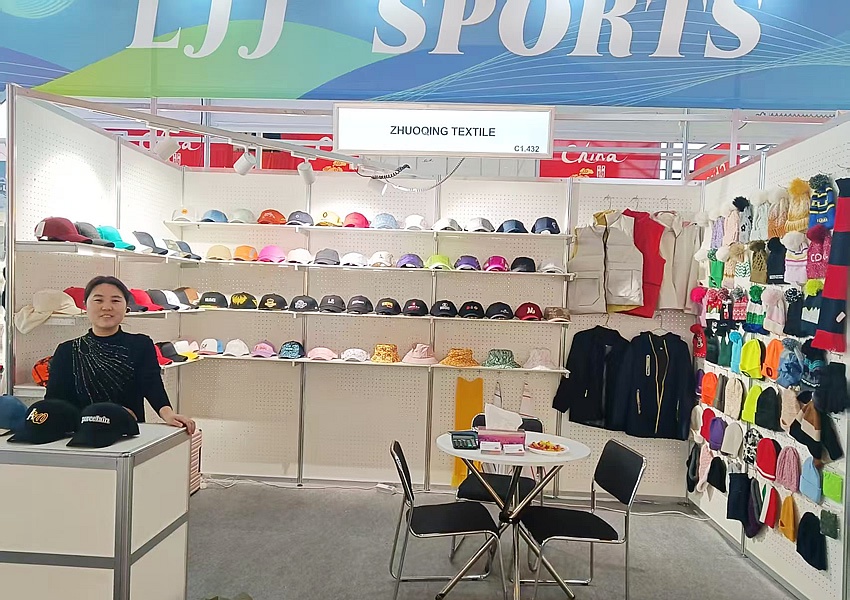
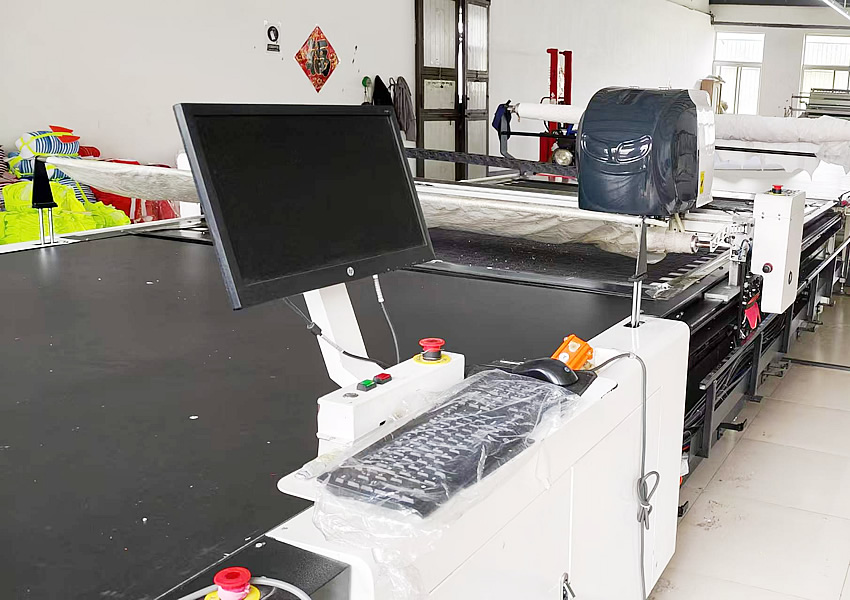
For brands managing both knit accessories and sewn headwear, it is useful to work with a supplier that can connect development decisions to production control. Shijiazhuang Jinling Times Import and Export Trade Co., Ltd. supports customized headwear programs across knitted hats, knitted scarves, baseball caps, bucket hats, and sports styles. Its production setup includes standardized workshops, assembly lines, cutting and sewing equipment, ironing, and packing operations, allowing small customized orders and larger OEM/ODM programs to be handled through a more continuous process.
What matters in practice is not the equipment list alone, but the handoff between raw-material sourcing, sample confirmation, manufacturing, inspection, packing, and export delivery. A knitted hat with a shape-retention concern may need a yarn or finishing adjustment. A bucket hat reproduced from a physical reference may need several pattern refinements before its brim and crown match the approved sample. Those issues are easier to resolve when production and foreign-trade teams can keep specifications, revisions, and shipping requirements aligned.
With experience serving buyers in Europe, the Middle East, South Africa, South America, and other overseas markets, the company’s trade team can also help keep market-specific packing, labeling, and compliance questions visible during project planning. Exact requirements still need to be confirmed for each destination and product category; they should not be assumed from a previous order.
A Better Standard Than “Looks Good Before Shipping”
When knitted hats lose their shape after washing, the root cause is often a mismatch between design expectations and material behavior. Fiber relaxation, loose construction, harsh care conditions, and weak finishing can all contribute. The solution is not simply to choose a thicker yarn or add more processing. It is to define the intended fit, select a suitable construction, validate the care route, and control the result from sample through bulk production.
Before placing an order, provide the intended wash expectation, target dimensions, preferred hand feel, logo method, and reference samples where available. For a bucket hat reproduction project, send the physical sample early and allow time for pattern and material confirmation. For knitwear, ask to see how the product holds its shape after the care method the customer is actually expected to use. That is a more meaningful approval standard than a hat that only looks correct on the packing table.
Hot News

Deeply rooted in textile foreign trade for 28 years, JINLING SHIDAI continues to strengthen the core competitiveness of its source factories
Recently, Shijiazhuang Jinling Times Import and Export Trade Co., Ltd. has continued to advance its upgrades in production standardization process refinement. Since the establishment of the factory in 1997
Read Article →Fully guarantee the delivery of foreign trade orders, and efficiently and steadily advance the peak season production capacity of Jinling Times.
Entering the peak season for foreign trade shipments this year, the production workshops of Jinling Times are operating at full capacity in an orderly manner, production schedules for various
Read Article →
Need Custom Caps?
Send us your artwork and quantity — a detailed quotation within 24 hours.