


Can Quick-Dry Caps Be Customized With Reflective Logos?
Can Quick-Dry Caps Be Customized With Reflective Logos?
Yes. Quick-dry caps can be customized with reflective logos, and the combination is increasingly relevant for running brands, cycling events, outdoor retailers, workwear programs, and promotional collections intended for low-light use. The idea is straightforward: a cap should remain light and comfortable when the wearer sweats or encounters light rain, while the logo becomes more noticeable when illuminated by vehicle headlights, streetlights, or flash photography.
The execution is less straightforward. A reflective mark that looks sharp on a smooth polyester front panel may crack, wrinkle, or lose definition on a highly textured mesh. A quick-dry fabric with a water-repellent finish may resist certain transfer processes. And a reflective logo is not automatically a safety-certified feature simply because it appears bright at night. For B2B buyers, the useful question is not only whether reflective decoration is possible, but which fabric, logo method, construction, and quality checks make sense for the intended market.
Quick-Dry Performance Starts With Fabric Structure
“Quick-dry” is often used loosely, but in cap manufacturing it usually refers to a fabric that absorbs relatively little moisture and moves perspiration away from the skin so it can evaporate. Polyester and nylon are common foundations because their fibers do not behave like cotton, which can hold moisture longer and become noticeably heavier during activity. The weave, fabric weight, coatings, ventilation panels, sweatband, and even the cap’s crown structure affect how the finished product feels in use.
For a performance baseball cap, lightweight woven polyester is a practical starting point. It offers a relatively even surface for logos, supports panel construction well, and can be paired with laser-cut or mesh ventilation where needed. Nylon is often selected when a brand wants a slightly more technical hand feel or better abrasion resistance, although the right finish and decoration method should be tested together. Microfiber polyester, ripstop blends, and perforated fabrics may also suit outdoor collections, but each changes the appearance and adhesion behavior of reflective branding.
Fabric selection should not be made from a color card alone. Buyers should request swatches or pre-production samples in the actual shell fabric, including any water-repellent treatment, because surface finishes can influence transfer adhesion and heat response. A cap may look excellent after decoration at the factory yet reveal lifting edges after repeated folding, moisture exposure, or wear if the method was not matched to the substrate.
Reflective Logos: Methods That Work—and Their Limits
Several reflective logo techniques can be used on quick-dry caps. The best option depends on artwork detail, production volume, placement, fabric texture, and the level of reflectivity expected by the buyer.
- Reflective heat transfer: Common for clean logos, lettering, and relatively fine graphic elements. It is well suited to flat front panels and side panels when the fabric can tolerate the required heat and pressure. The artwork should avoid extremely thin lines or tightly packed detail unless proven in sampling.
- Reflective screen print: Useful for some larger graphics and flexible designs. Print performance varies with ink system, fabric color, and the cap’s panel shape. It may be a sensible choice for broad, simple artwork but requires attention to curing and flexibility.
- Reflective woven or sewn patch: Appropriate where a more tactile, premium, or heritage-inspired result is desired. It is less ideal for very lightweight caps if the patch makes the front panel stiff or interrupts the cap’s streamlined appearance.
- Reflective piping, binding, or trim: This is not a logo method in itself, but it can complement a small reflective mark by improving the cap’s visual presence around the brim, panel seams, or rear closure.
Embroidery deserves special consideration. Standard embroidery can create a durable brand mark, but thread is generally not the same as a high-visibility reflective material. Reflective embroidery thread exists in the market, yet it may deliver a different visual effect from reflective film or ink and can be less suitable for intricate logos. Dense embroidery also adds punctures and stiffness to thin performance shells. For a running cap where low weight matters, a small heat-transfer logo is often more balanced than a heavily stitched front design.
Placement matters as much as method. The front crown gives the strongest branding impact during daytime retail display, while side, rear, and brim placements are often more useful for visibility from different angles. A rear reflective logo near an adjustable closure can be effective, but the factory should assess whether the seam, strap movement, or opening distorts the graphic. Curved surfaces can make a perfectly rectangular transfer look uneven, so logo shapes should be adapted to the cap rather than forced onto it.
What Fabric Is Best for Custom Bucket Hats?
Buyers asking, “What fabric is best for custom bucket hats?” are usually deciding between comfort, weather protection, style, and decoration options—not looking for one universal material. The right answer changes with the product’s purpose.
For a summer sports or travel bucket hat, lightweight polyester or nylon is often the most practical route. These fabrics can dry quickly, pack easily, and work well with mesh lining or ventilation eyelets. Nylon ripstop can add a more outdoor-oriented look and may resist tearing better than a very light plain weave, though it has a textured surface that should be checked before applying reflective transfers. Polyester is usually easier to source in varied colors and can offer a smooth base for printed or transferred branding.
Cotton twill remains a strong option for casual bucket hats, fashion merchandise, and lifestyle collections. It is comfortable and familiar, and embroidery often looks excellent on it. However, it is not normally the preferred choice for a genuinely quick-dry product. Cotton may also darken when wet and take longer to dry, which matters for fishing, hiking, beach use, or active-event merchandise. Blended fabrics can offer a compromise, but their performance should be evaluated as a finished material rather than assumed from fiber content alone.
For bucket hats, the brim adds another decision point. A reflective transfer around a curved brim may look appealing in concept but needs careful application to prevent creasing. If the hat is designed to be folded or packed, a smaller logo on the crown or a reflective woven label may retain a cleaner appearance over time than a large reflective graphic spanning multiple seams.
Do Not Confuse Reflective Branding With Certified Safety Apparel
Reflective logos can improve nighttime recognition, but a logo alone should not be presented as proof that a cap meets high-visibility personal protective equipment requirements. Formal visibility claims can involve material performance, garment area, placement, testing, care conditions, and the applicable rules in the destination market. A fashion, sports, or promotional cap with reflective decoration may be useful in low-light settings without qualifying as regulated safety equipment.
This distinction is especially important for distributors serving workwear, logistics, construction, or public-sector projects. If the buyer needs a cap for a regulated use case, the requirement should be raised before material sourcing and sampling. The supplier needs to know whether the request is simply for a reflective visual effect or whether project documentation, test evidence, labeling, and specific compliance obligations may apply. Treating those as the same request can create avoidable problems later.
Sampling Should Test the Whole Cap, Not Just the Artwork
A reflective logo sample is valuable only if it resembles bulk production. The cap should use the intended shell fabric, crown construction, closure, sweatband, and decoration location. A flat fabric strike-off may confirm color and logo shape, but it cannot show how a transfer behaves over a curved five-panel crown, how a patch affects drape, or whether a rear logo is obscured by a buckle.
It is sensible to review the logo under ordinary indoor light and under a direct light source. Check whether small characters remain legible, whether the reflective surface has unwanted wrinkles, and whether the design remains centered after sewing. Buyers should also clarify care expectations. Heat, abrasion, repeated folding, washing, and exposure to sunscreen or saltwater can affect different materials in different ways. The correct care instruction depends on the actual fabric and decoration system, so it should be confirmed during development rather than copied from an unrelated cap style.
Color can create another surprise. Reflective film often has a distinct daytime appearance that may not exactly match a Pantone reference or the shell fabric. A silver reflective logo is commonly chosen because it reads clearly in daylight and can respond strongly to light at night, but colored reflective options may require more careful visual approval. Buyers seeking a dark, tonal logo should make sure that the desired subtle daytime look does not undermine the visibility they expect after dark.
Production Control Is Part of the Design Decision
Custom headwear involves many small variables: panel cutting, stitching tension, brim shape, logo registration, thread selection, pressing conditions, and final packing. When quick-dry materials and reflective decoration are combined, coordination between material sourcing, logo development, sewing, and inspection becomes particularly important. A good design file cannot compensate for inconsistent placement or insufficient inspection on the production line.
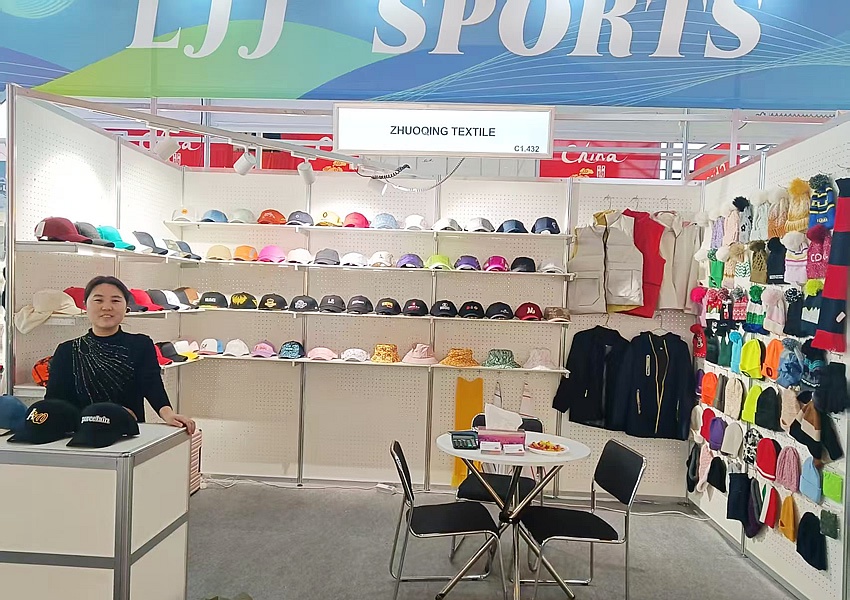
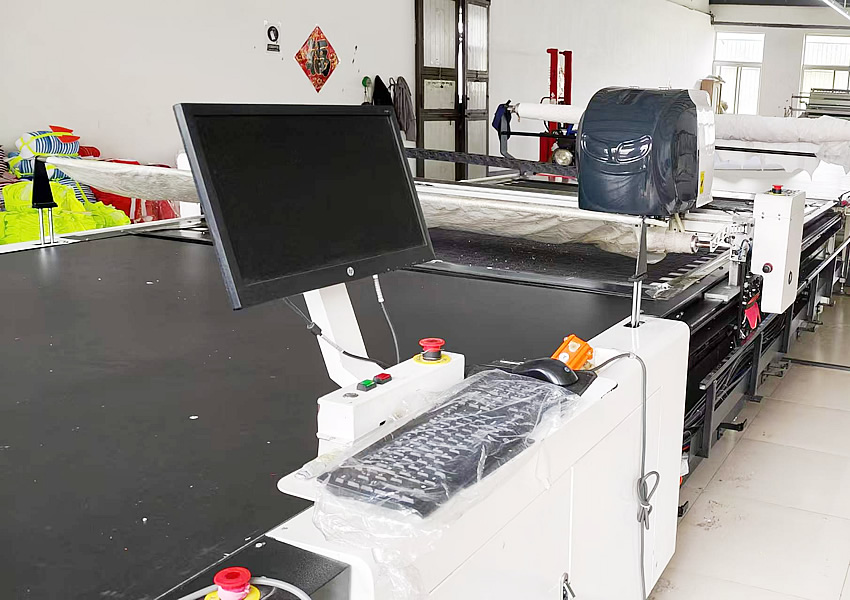
Shijiazhuang Jinling Times Import and Export Trade Co., Ltd. approaches cap development through an integrated process covering sourcing, manufacturing, inspection, export coordination, and after-sales support. Its standardized factory setup includes assembly lines, automated cutting equipment, sewing capacity, and ironing and packaging processes for baseball caps, bucket hats, sports caps, knitted hats, and scarves. That structure is useful for projects that need both small-order customization and larger OEM or ODM production, because the discussion can move from fabric and artwork compatibility to sampling, bulk consistency, and shipment preparation without relying on multiple disconnected intermediaries.
For international buyers, the practical advantage is not a generic promise of customization. It is the ability to identify issues early: whether the selected quick-dry fabric can accept the chosen reflective logo, whether the design should move away from a seam, whether a packing method may crease the decoration, and whether destination-market requirements need further confirmation. A foreign trade team familiar with different regional purchasing expectations can help keep those questions visible while the factory controls the physical product.
A Better Brief Produces a Better Cap
Before requesting a quotation or sample, buyers should define the wear scenario: road running, golf, outdoor retail, event merchandise, staff uniforms, or casual fashion. Then specify the preferred cap silhouette, shell fabric direction, color, logo file, logo location, reflective effect required, expected quantity, destination, and any required documentation. If the cap must be packable, water-resistant, machine-washable, or suitable for a particular climate, those details should be included from the beginning.
Quick-dry caps with reflective logos are entirely achievable, but the strongest result comes from treating fabric, decoration, and construction as one decision. For custom bucket hats, polyester and nylon generally suit performance-led projects, while cotton remains relevant when comfort and lifestyle styling take priority over drying speed. In either format, a representative sample is where appearance, durability, and production practicality become clear.
Hot News

Deeply rooted in textile foreign trade for 28 years, JINLING SHIDAI continues to strengthen the core competitiveness of its source factories
Recently, Shijiazhuang Jinling Times Import and Export Trade Co., Ltd. has continued to advance its upgrades in production standardization process refinement. Since the establishment of the factory in 1997
Read Article →Fully guarantee the delivery of foreign trade orders, and efficiently and steadily advance the peak season production capacity of Jinling Times.
Entering the peak season for foreign trade shipments this year, the production workshops of Jinling Times are operating at full capacity in an orderly manner, production schedules for various
Read Article →
Need Custom Caps?
Send us your artwork and quantity — a detailed quotation within 24 hours.