


How Can Buyers Request Baseball Cap Samples from Jinling Times?
How Can Buyers Request Baseball Cap Samples from Jinling Times?
Before committing to a bulk baseball cap order, buyers need to assess fabric, fit, stitching, and logo quality firsthand. If you’re researching Shijiazhuang Jinling Times Import and Export Trade Co., Ltd. custom hat MOQ requirements, requesting samples is a practical starting point. Share your preferred cap style, material, color, branding details, and estimated order quantity with the company’s foreign trade team, then confirm sample availability, costs, production timing, and shipping arrangements.
The important distinction is between receiving a cap and receiving a sample that helps you make a purchasing decision. An existing factory sample can demonstrate sewing quality, but it cannot necessarily confirm your chosen fabric, embroidery, or fit. A useful request makes clear what you need to approve—and what can remain provisional.
Decide What the Sample Needs to Prove
Ask Jinling Times which sampling options are available for your project. Do not assume that an existing sample, a customized development sample, and a pre-production sample have the same purpose or commercial terms.
- An existing sample can help you examine general construction, panel shape, closure quality, and workmanship. Confirm whether its fabric and structure resemble the cap you intend to order.
- A customized development sample is more useful when logo execution, a particular silhouette, or material selection will determine your decision. Ask which components will match your specification and which may be substituted.
- A pre-production sample should be discussed when you need a reference for bulk manufacturing. Confirm whether it will use the approved production fabric, trims, branding, and labels.
For an early supplier evaluation, an existing cap plus fabric swatches may be sufficient. For a branded retail launch, that combination may leave too many unanswered questions. The right choice depends on the risk you are trying to remove, not simply the lowest sample cost.
Prepare a Brief That the Factory Can Work From
“Please send your best baseball cap” leaves the supplier guessing. A short, specific brief usually produces a more relevant response than a long description filled with subjective terms such as “premium” or “comfortable.”
Start with the intended use: promotional merchandise, everyday retail, workwear, or sports. Then describe the construction. A structured cap with a firm front panel will sit differently from an unstructured style, even when both use cotton fabric. Include panel count, crown profile, visor shape, closure type, and intended wearer sizing where these are already decided.
For fabric, specify composition, weave, finish, and weight if known. “Cotton twill” is a useful starting point, but it does not define thickness, softness, stiffness, or colorfastness. If you have a physical reference, ask whether the team can assess it. If not, request suitable material options and an explanation of the likely trade-offs.
Color also needs a reference. A photograph can communicate direction, but screen settings and lighting make it unreliable for final approval. Provide a recognized color reference or physical swatch where possible, and ask how fabric and embroidery thread colors will be confirmed.
For branding, send a clear artwork file, the required dimensions, placement, and preferred technique. Embroidery, printing, and patches interact differently with cap fabrics. Small lettering or dense embroidery may need adjustment to remain legible without puckering the front panel. Ask for a feasibility review before treating the artwork as production-ready.
A Practical Sample Request Message
A message like this gives the foreign trade team enough information to identify missing details:
We are evaluating baseball caps for [intended use and destination market]. Our preferred construction is [panel count, structured or unstructured, crown profile], with [fabric], [color reference], and [closure]. Please review the attached logo for [branding method], positioned at [location] with dimensions of [size].
Our estimated first order is [quantity], divided across [colors or designs]. Please advise whether an existing sample or a customized sample would be more suitable, and identify any specifications that require adjustment.
Please confirm sample charges, any artwork or setup charges, revision terms, estimated production time, shipping options to [destination], and the applicable bulk MOQ. Also identify any sample materials or components that would differ from bulk production.
Discuss MOQ Before Approving a Custom Sample
A successful sample does not automatically mean that your planned order quantity is commercially workable. Jinling Times describes capabilities covering small-order customization, mass production, and OEM/ODM services, but a fixed minimum order quantity is not established here. Obtain a project-specific quotation rather than assuming that every cap style has the same threshold.
Ask whether the minimum applies to the total order, each style, each fabric color, or each logo version. That distinction matters when a modest total order is split into many combinations. A custom-dyed fabric or specially sourced closure may introduce purchasing constraints beyond the sewing quantity.
If your proposed quantity is below the quoted minimum, discuss alternatives before paying for development. An available fabric color, standard closure, or fewer design variations may make the project easier to produce. Any substitution should be evaluated against the brand requirements, not accepted solely to reach a lower quantity.
Keep sample charges separate from bulk pricing. Ask whether embroidery digitizing, artwork preparation, special materials, and courier fees are included. Any sample-fee credit against a later order must be confirmed in writing; it should not be assumed.
Confirm Timing, Revisions, and Shipping Separately
A sample delivery date contains several stages: specification review, material confirmation, sample production, approval photographs, and transport. Ask when the quoted production period begins. It may depend on payment, usable artwork, or the availability of the selected fabric and trims.
Also establish what happens if the first sample needs changes. Correcting a misplaced logo is different from replacing the fabric or changing the entire crown shape. Ask which revisions would require additional charges and a new production schedule.
Before dispatch, request photographs showing the front, back, sides, interior, closure, and branding. These can catch obvious specification errors, although they cannot replace handling the cap. Confirm the recipient’s address, postal code, phone number, shipping charge, and courier-account arrangements where relevant. Clarify responsibility for import clearance and destination charges rather than assuming the sample price covers them.
If the caps support an event or seasonal launch, work backward from the required arrival date. Sample approval, revisions, bulk manufacturing, inspection, and international transport all need their own allowance. A sample dispatch estimate is not a bulk delivery commitment.
Inspect the Cap as a Wearable Product
When the sample arrives, compare it with the written brief before judging its overall appearance. A cap can look attractive while still missing the intended fit or construction. Record differences while they are easy to identify.
Check fit and shape. Assess crown depth, front-panel height, visor alignment, and the closure’s usable adjustment range. Wear the cap rather than relying only on circumference measurements. Two caps with similar head openings can feel quite different because of crown geometry and sweatband construction.
Inspect fabric and sewing. Look for uneven seams, loose threads, skipped stitches, panel distortion, and rough interior edges. Examine the sweatband attachment and seam coverings. Flex the visor gently and operate the closure several times to identify obvious assembly problems.
Review branding at normal viewing distance and close up. Check logo placement, legibility, color, edge definition, and distortion. For embroidery, examine both the visible face and the inside backing. A logo that works on a flat artwork sheet may need changes on a curved, assembled cap.
Visual inspection cannot establish chemical compliance, colorfastness, or every performance claim. If the destination market or sales channel requires testing, identify the applicable requirements and request relevant documentation. Children’s products and specialized performance claims may need additional review. Do not treat general quality assurances as proof that a particular cap meets every local requirement.
Turn Sample Approval into a Clear Production Reference
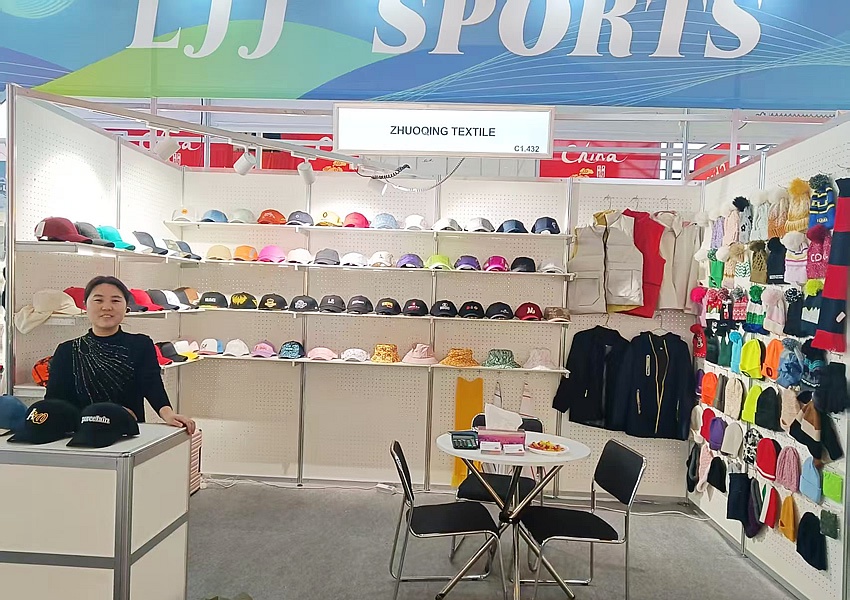
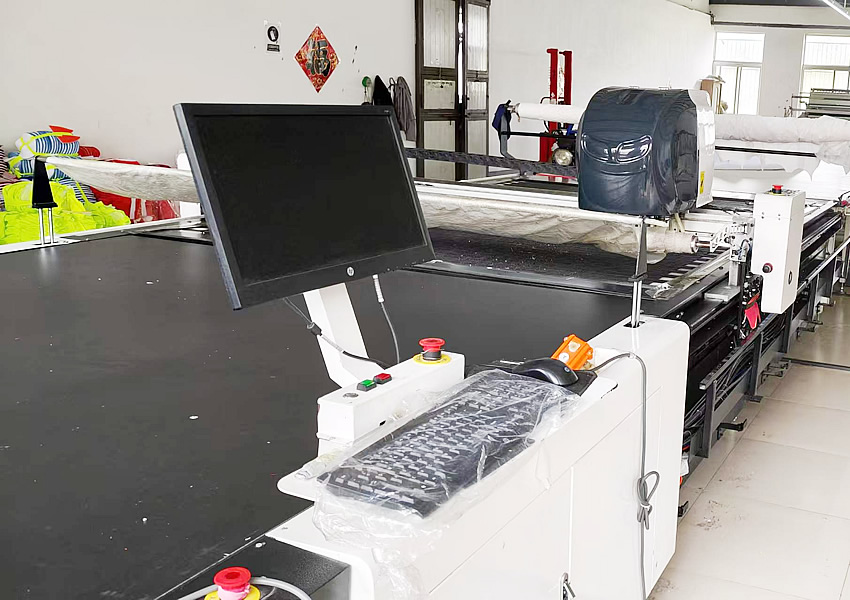
Jinling Times describes an independent factory with four assembly lines, automated cutting and sewing equipment, and quality-control stages covering materials through packing. For a buyer, the practical question is how the approved sample and specifications will be communicated to those production and inspection stages.
Send consolidated feedback rather than scattered comments. Mark each issue with a photograph, the relevant specification, and the required correction. Separate mandatory changes from preferences. If the sample is acceptable except for the closure, state that explicitly instead of issuing an unqualified approval.
Before bulk production, agree on the final fabric, colors, measurements and tolerances, logo execution, labels, packaging, and inspection arrangements. Keep an identified approved sample and ask the supplier to retain a matching reference. Any later substitution should require your approval.
The next step is therefore not simply to request “a baseball cap sample.” Send a brief tied to your intended order, confirm the sample’s limitations and commercial terms, and define what approval will mean. That gives both sides a usable basis for deciding whether the project is ready for bulk production.
Hot News

Deeply rooted in textile foreign trade for 28 years, JINLING SHIDAI continues to strengthen the core competitiveness of its source factories
Recently, Shijiazhuang Jinling Times Import and Export Trade Co., Ltd. has continued to advance its upgrades in production standardization process refinement. Since the establishment of the factory in 1997
Read Article →Fully guarantee the delivery of foreign trade orders, and efficiently and steadily advance the peak season production capacity of Jinling Times.
Entering the peak season for foreign trade shipments this year, the production workshops of Jinling Times are operating at full capacity in an orderly manner, production schedules for various
Read Article →

{item.title}
{item.description}
Need Custom Caps?
Send us your artwork and quantity — a detailed quotation within 24 hours.