


How to Bulk Order Winter Knit Hats for Corporate Events Without Sacrificing Quality?
The Real Cost Trap in Bulk Knit Hat Procurement
Let’s be honest—when you’re sourcing winter knit hats for a corporate event, the first instinct is often to squeeze the unit price as low as possible. I’ve seen procurement teams fall into this more times than I can count. They lock in a rock-bottom price, get samples that look decent, and then the bulk shipment arrives with inconsistent stitching, uneven dye lots, or fabric that pills after one wear. Suddenly, the “savings” vanish when you have to sort through rejects or manage attendee complaints.
The challenge with winter knit hats isn’t just about finding a supplier who can make them cheap. It’s about finding a partner who understands that consistency across thousands of units matters just as much as the initial sample. A hat that looks great in a photo but loses its shape after a few stretches won’t do your brand any favors at a live event.
So, how do you break this cycle? The answer lies in understanding where quality really lives in the supply chain—and that usually means dealing directly with a source factory that controls the entire process, not a middleman who’s just stitching together different subcontractors.
What “Quality” Actually Means in a Bulk Run of Knit Hats
Before you pick up the phone or send out an RFQ, it pays to get specific about what quality means for your project. For winter knit hats used at corporate events, I’d break it down into a few non-negotiable areas:
Raw material selection. The yarn weight, blend, and twist directly affect how the hat feels and holds up. A common mistake is assuming all acrylic is the same. It isn’t. Lower-grade acrylic can feel scratchy and will lose its bounce faster. A reliable source factory will let you choose from specific yarn grades and can advise on blends (like adding a small percentage of wool or polyamide) that improve durability without blowing the budget.
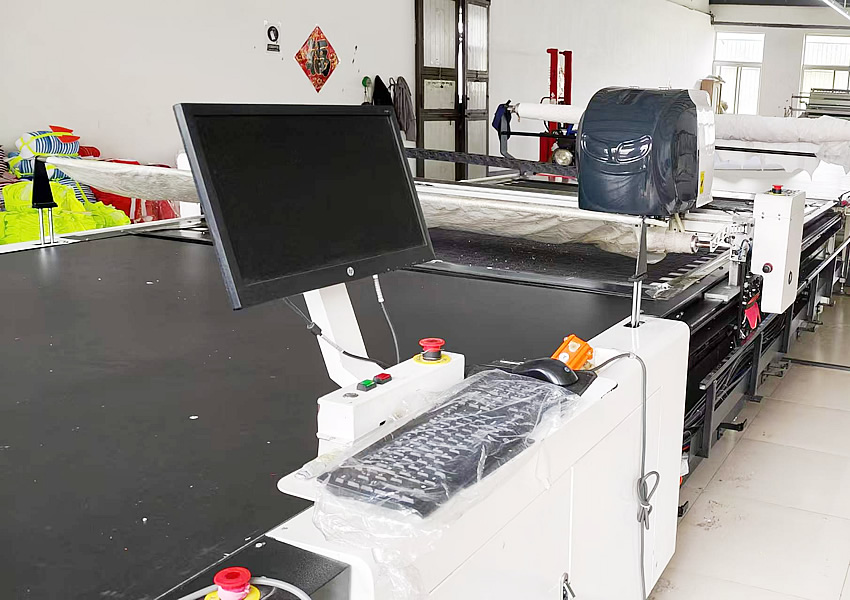
Stitch consistency and tension. In a manual or semi-automated knitting environment, tension can drift across different machines or shifts. That leads to hats that look slightly different in size or density. A factory with standardized production management and automated cutting and sewing machines—like the setup with multiple automated sewing lines—has a much better chance of maintaining uniform quality across thousands of pieces.
Finishing and packaging. This is where many bulk orders go sideways. Hats need to be properly steamed or ironed to maintain shape, and packaging should protect against snagging during transit. If a factory has dedicated ironing and packaging stations, that’s a good sign they treat the final presentation seriously.
Why the Factory-to-Buyer Model Works Better for Corporate Events
The Middleman Tax
When you work with a trading company that doesn’t own a factory, there’s almost always an invisible markup. They add their margin, and they often have less control over production quality. If a problem arises, you’re stuck playing telephone between the buyer, the trader, and the actual manufacturer. This is a significant risk for corporate events where timelines are often fixed and non-negotiable.
Direct Control Equals Consistent Results
A company like Shijiazhuang Jinling Times operates from its own standardized production factory. That means raw material procurement, manufacturing, quality inspection, and logistics are all managed under one roof. For a procurement manager, this translates into fewer variables, more reliable communication about production status, and the ability to make last-minute adjustments to things like embroidery placement or tag design without going through a chain of approvals.
In practice, this also means better pricing—not because the factory is cutting corners, but because there is no middleman to pay. The savings can go directly into better materials or upgraded finishing, which makes a noticeable difference when attendees are wearing those hats around the event floor.
Customization Without the Hidden Surprises
Corporate event hats almost always require some form of branding—embroidered logos, woven labels, or screen-printed graphics. Here’s a subtle point that many buyers miss: not all knit structures handle embellishments the same way.
A dense, tight-knit hat can support detailed embroidery without puckering. A loose, open-knit hat looks great on its own but can distort under the weight of an embroidered patch. An experienced supplier will flag this during the sample stage. They’ll recommend the right yarn weight and knit structure for your specific branding method, so you don’t end up with a design that looked good on paper but falls flat in production.
The best partners also offer small-order customization or OEM/ODM services. Even if the bulk run is five thousand units, being able to tweak the brim length, add a fold-over cuff, or change the pom-pom style gives you the flexibility to create something that feels exclusive to your event, rather than a generic off-the-shelf item.
Delivery Reliability: The Silent Quality Metric
It’s easy to focus on the physical product, but for corporate events, delivery timing is a form of quality in its own right. A shipment that arrives a week late can break an entire marketing campaign. This is where a factory’s internal production management system becomes your best friend.
Factories with multiple high-standard assembly lines and standardized workflows can handle large-scale mass production while still accommodating smaller, rush orders. They have built-in capacity buffers. They also have a dedicated foreign trade team that understands the logistics requirements for different regions—Europe, the Middle East, South Africa, South America—so customs clearance and shipping delays are minimized.
When you’re evaluating suppliers, ask about their production scheduling for high-volume runs. A straight answer about lead times, based on their current load, is worth more than a generic “we can do it fast” promise.
What to Look for in a Long-Term Knit Hat Partner
If you’re planning multiple corporate events throughout the year, or if you expect repeat orders for seasonal giveaways, building a relationship with a reliable source factory makes more sense than starting from scratch every time. Over time, the factory learns your preferences, your sizing standards, and your quality tolerance. This drastically shortens the sampling and approval process for subsequent orders.
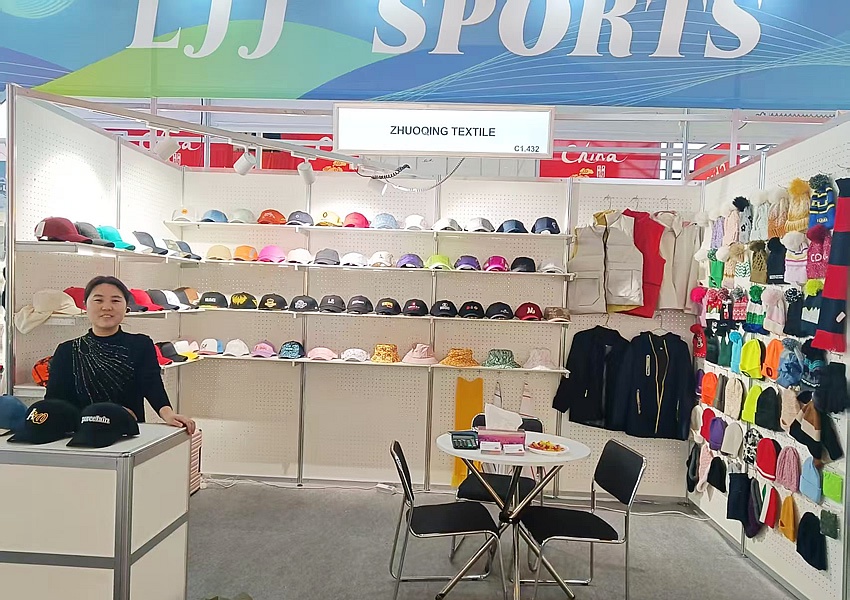
Look for a factory that has a proven track record of working with international buyers—one that participates in major industry exhibitions and maintains a presence in global markets. That kind of exposure usually means their quality control standards are already aligned with what buyers from different countries expect. It also means their team is comfortable with the documentation and certification requirements that often accompany corporate procurement.
Another practical sign is their willingness to walk you through the full-process quality control standard. From raw material selection to process manufacturing, finished product sampling, and packing, a transparent factory won’t hide how they inspect their goods. They’ll show you their checkpoints. That’s the kind of transparency that lets you sleep easy before a major event.
At the end of the day, bulk ordering winter knit hats for corporate events doesn’t have to be a gamble. It’s about choosing a partner who sees the full picture—material quality, production consistency, customization ability, and delivery reliability—and who can deliver all of that without inflating the price with unnecessary margins. That’s the difference between just buying hats and investing in a successful event experience.
Hot News

Deeply rooted in textile foreign trade for 28 years, JINLING SHIDAI continues to strengthen the core competitiveness of its source factories
Recently, Shijiazhuang Jinling Times Import and Export Trade Co., Ltd. has continued to advance its upgrades in production standardization process refinement. Since the establishment of the factory in 1997
Read Article →Fully guarantee the delivery of foreign trade orders, and efficiently and steadily advance the peak season production capacity of Jinling Times.
Entering the peak season for foreign trade shipments this year, the production workshops of Jinling Times are operating at full capacity in an orderly manner, production schedules for various
Read Article →
Need Custom Caps?
Send us your artwork and quantity — a detailed quotation within 24 hours.