


How Do You Choose Between Hat OEM and ODM?
How Do You Choose Between Hat OEM and ODM?
How do I choose between hat OEM and ODM? The right model depends on your brand’s design resources, budget, order volume, and speed-to-market goals.
Whether you need customized baseball caps, bucket hats, knitted hats, or ready-to-adapt styles, understanding both options helps reduce sourcing risks and improve supply chain decisions.
For most buyers, OEM is best when product originality and brand control matter most. ODM is usually better when speed, lower development costs, and proven construction matter more.
This guide explains the practical differences, the costs behind each route, and the questions buyers should ask before selecting a hat manufacturing partner.
Start With the Commercial Decision, Not the Label
OEM and ODM are often discussed as production terms, but buyers should treat them as business models with different investments, responsibilities, and competitive outcomes.
OEM means Original Equipment Manufacturing. Your company provides the product concept, design specifications, branding requirements, and often technical details, while the factory produces the finished hats.
ODM means Original Design Manufacturing. The supplier already owns or develops the base design, and your business selects, modifies, brands, and orders that product.
The essential question is not simply whether you want OEM or ODM. It is whether your business needs a unique product platform or a reliable market-ready solution.
A startup launching a seasonal promotion may benefit from ODM. An established streetwear label seeking recognizable products may gain more value from OEM development.
Before requesting quotations, define the role of the hat within your business. Is it a branded accessory, a retail product, a corporate giveaway, or part of a uniform program?
This decision affects the required level of customization, acceptable lead time, target cost, packaging expectations, and the amount of design ownership your company needs.
Choose Hat OEM When Product Differentiation Is a Priority
Hat OEM is generally the stronger choice when your brand has original designs, clear product standards, or a specific customer experience that cannot be delivered through standard catalog items.
With OEM manufacturing, you can determine the crown profile, brim curve, panel construction, closure type, stitching pattern, materials, labels, embroidery placement, and packaging presentation.
This level of control is especially useful for fashion brands, sports organizations, licensed merchandise programs, outdoor labels, and companies building long-term product collections.
For example, a baseball cap may appear simple, but its fit depends on crown depth, front-panel stiffness, eyelet placement, sweatband quality, brim shape, and back-strap construction.
When these details are central to brand recognition or user comfort, an OEM project allows you to create specifications rather than accepting the factory’s default choices.
OEM also gives you more room to develop exclusive color combinations, fabric textures, woven labels, metal accessories, embroidery files, and retail-ready packaging systems.
That exclusivity can support higher retail prices when the finished product offers visible quality, better fit, a distinctive design language, or meaningful functional advantages.
However, OEM requires stronger internal preparation. Buyers should be ready to provide reference samples, technical drawings, measurement charts, artwork files, fabric requirements, and approval feedback.
If your team cannot define these requirements clearly, the factory may interpret them differently. That can lead to revisions, sampling delays, unexpected costs, or inconsistent bulk production.
Choose OEM when you have a defined product vision, expect repeat orders, and can justify development work through stronger margins, customer loyalty, or brand differentiation.
Choose Hat ODM When Speed and Lower Development Risk Matter Most
Hat ODM is designed for buyers who want professionally developed products without starting every construction decision from the beginning. It can shorten the path from idea to shipment.
In an ODM program, the manufacturer provides existing hat structures, patterns, material options, and production knowledge. The buyer selects a base style and customizes relevant elements.
Typical ODM adjustments include logo embroidery, printed graphics, patch application, color selection, fabric alternatives, labels, hangtags, closures, and basic packaging changes.
This model is especially practical for distributors, promotional product companies, event organizers, e-commerce sellers, retailers testing a category, and brands entering new markets.
Using an existing bucket hat or knitted beanie structure reduces the need for pattern development and repeated fitting trials. The factory already understands its assembly requirements.
ODM often supports smaller initial investments because the supplier has already spent time developing the pattern, sourcing components, and confirming a workable production process.
It can also reduce quality uncertainty. A proven construction with stable materials and established sewing procedures is usually easier to reproduce than an entirely new product.
However, ODM does not always mean identical products. A capable supplier can offer meaningful customization while using a validated base pattern and production workflow.
The main limitation is exclusivity. Other buyers may access similar foundations, especially if the supplier’s design is part of an open catalog rather than an exclusive development arrangement.
Choose ODM when your priority is fast market entry, dependable product construction, manageable minimum quantities, and practical customization rather than completely original engineering.
Compare the Real Cost Structure Before Making a Decision
Buyers often compare only the unit price, but choosing between hat OEM and ODM requires looking at total project cost, including development, revisions, time, and operational risk.
OEM may involve pattern charges, sample fees, custom mold costs, fabric sourcing requirements, embroidery setup, specialized trims, and higher minimum quantities for unique components.
These costs can be reasonable when spread across a larger order volume. They become harder to justify when a buyer needs only a small test batch.
ODM products may have a higher base unit price than a very large OEM order, but they often avoid costly development steps and reduce the number of required samples.
Consider the cost of delayed launches as well. Missing a sports season, holiday promotion, trade exhibition, or campaign window can cost more than modest product savings.
Calculate your landed cost rather than factory price alone. Include sampling, shipping, packaging, duties, labeling compliance, inspection, storage, and any expected rework or replacement cost.
Ask suppliers for quotations at several quantity levels. A comparison at 500, 1,000, 3,000, and 10,000 pieces can reveal where OEM becomes commercially attractive.
Also clarify whether quoted prices include custom decoration, individual packaging, barcode labels, export cartons, quality inspection, and delivery terms. Incomplete quotes create misleading comparisons.
A good sourcing decision balances unit economics against market opportunity. The lowest price is not valuable when it produces weak branding, slow delivery, or inconsistent quality.
Assess Your Design Capability and Approval Process
Your internal design capability is one of the most reliable indicators of whether OEM or ODM is appropriate. OEM projects require faster, clearer, and more disciplined buyer decisions.
For OEM, your team should be able to approve details such as measurements, color standards, fabric weight, logo size, thread colors, accessories, and packaging specifications.
Ideally, provide artwork in usable vector formats and communicate colors through Pantone references or approved physical swatches. Vague screenshots rarely provide sufficient production guidance.
A tech pack is helpful for complex designs. It can include front, side, back, and interior views, material descriptions, dimensions, label locations, construction notes, and packaging instructions.
If your company lacks these resources, ODM offers a more controlled starting point. The factory can guide you through available options without requiring complete technical documentation.
That does not remove the need for approval. Buyers still need to review samples carefully, especially logo quality, fit, color accuracy, material handfeel, and final packing details.
Establish one decision-maker for product approvals. Conflicting comments from several departments are a common reason hat samples enter multiple costly revision cycles.
Set deadlines for sample feedback and combine comments into a single documented response. This keeps the supplier moving and protects the planned delivery schedule.
Match the Manufacturing Model to Your Order Volume
Order quantity has a direct influence on the practical choice between OEM and ODM. It affects material purchasing, production planning, customization possibilities, and cost allocation.
ODM is frequently more suitable for small or medium orders because suppliers may use existing fabrics, components, and patterns already integrated into their production systems.
For a small branded run, selecting an existing six-panel cap and customizing embroidery, labels, and packaging can produce a professional result with lower operational complexity.
OEM becomes more compelling when volume supports custom fabric purchases, specialized trims, new patterns, and dedicated production planning. Larger quantities spread fixed development costs efficiently.
Minimum order quantities vary by material and decoration. Custom-dyed fabric, special metal buckles, woven labels, and complex embroidery can each create separate minimum requirements.
Ask whether the minimum order quantity applies per color, per style, per logo, or across a combined order. This detail determines whether your assortment plan is feasible.
Buyers should also ask about replenishment. A product may be affordable for the first order but difficult to reorder if custom materials cannot be purchased again in small amounts.
For long-term programs, request a plan for material continuity. Stable sourcing protects color consistency, fit, delivery timing, and brand presentation across future orders.
Evaluate Quality Control and Compliance Before You Place an Order
OEM and ODM both depend on factory execution. A strong design cannot compensate for poor sewing, unstable materials, inaccurate embroidery, or weak final inspection procedures.
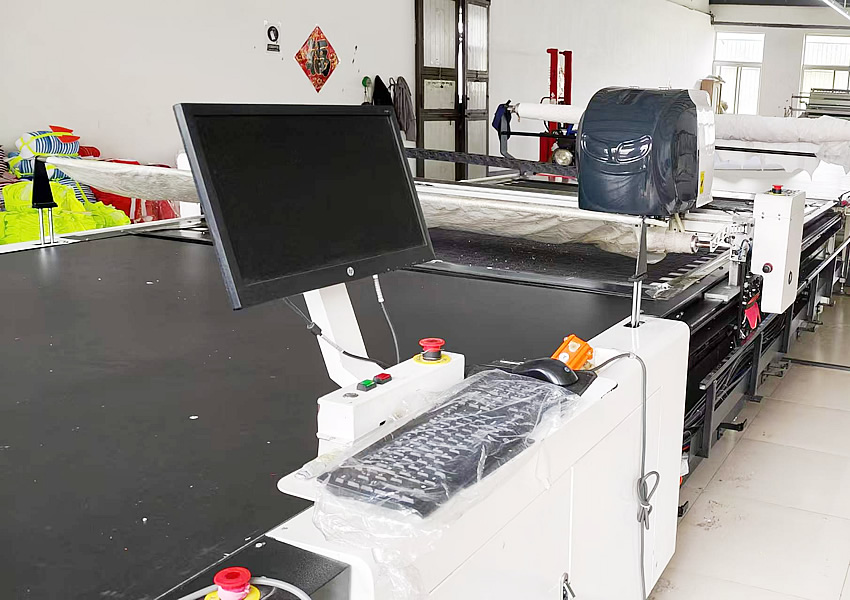
Ask the manufacturer how it controls quality from incoming materials through cutting, sewing, decoration, ironing, packaging, and pre-shipment inspection.
For hats, inspect panel symmetry, seam density, brim alignment, crown shape, embroidery cleanliness, label placement, loose threads, closure function, and carton packing protection.
Request a pre-production sample before bulk work begins, especially for OEM projects. This sample should become the approved reference for quality, color, dimensions, and construction.
For ODM orders, request samples showing your actual decoration method rather than relying only on catalog photographs. A logo can look very different on finished fabric.
Compliance requirements should be discussed early. Destination markets may require specific labeling, fiber content information, care instructions, country-of-origin marking, or restricted-substance testing.
Brands selling to children, sports markets, or major retailers may need additional product testing and documentation. Confirm factory capabilities before product development becomes too advanced.
A supplier with standardized production management, documented inspection procedures, and export experience can reduce costly surprises during final shipment and customs clearance.
Use Lead Time and Supply Chain Reliability as Decision Criteria
Speed-to-market is often the decisive factor for hat buyers. ODM normally reduces development time because approved patterns, materials, and production procedures already exist.
OEM lead times can be longer because every new decision requires confirmation. Fabric development, accessory sourcing, fit adjustments, embroidery testing, and sample revisions all add time.
That additional time is not automatically a disadvantage. For a strategic product line, thorough development may prevent quality complaints and protect the brand from expensive future corrections.
Ask suppliers to separate the schedule into sampling time, material lead time, bulk production time, inspection time, and shipping time. A single delivery estimate is insufficient.
Confirm what happens when materials are delayed or sample feedback changes. Reliable manufacturers explain the impact clearly rather than offering unrealistic promises to win an order.
For international buyers, logistics planning matters as much as factory timing. Consider whether air freight, sea freight, rail, or courier delivery best matches your cost and launch date.
Working with an experienced export supplier can simplify documentation, packaging standards, cross-border communication, and after-sales handling when issues arise after delivery.
Questions to Ask a Hat OEM or ODM Supplier
Use a structured supplier discussion to compare manufacturers consistently. The goal is not only to find a factory that can make hats, but one that can support your business model.
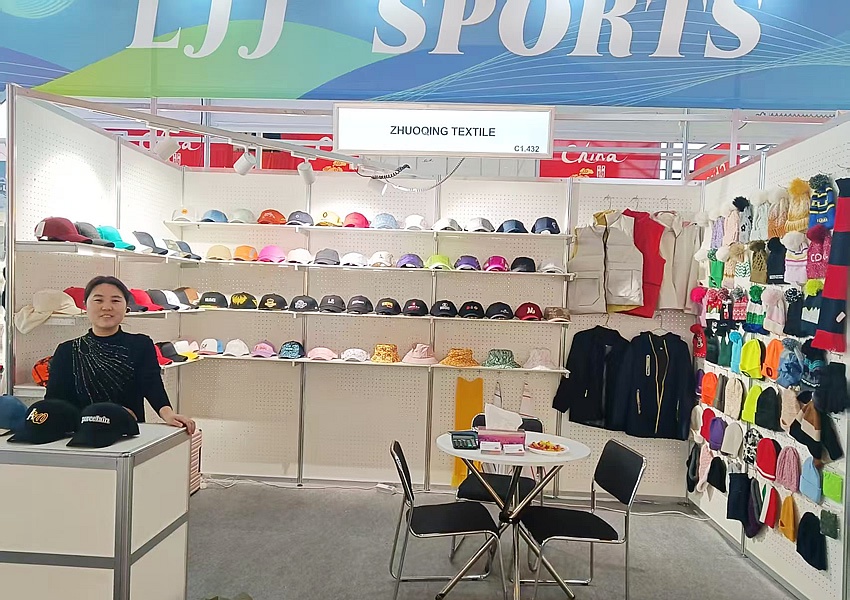
Ask which hat categories the factory produces regularly. Experience with baseball caps, bucket hats, sports caps, knitted hats, and scarves affects construction knowledge and production efficiency.
Ask whether the supplier can support small-order customization, large-scale production, or both. A factory’s preferred order profile should match your current needs and growth plans.
Ask for examples of OEM development and ODM customization. Review the range of fabrics, closures, embroidery, printing, patches, labels, and packaging solutions they can provide.
Ask how samples are approved, how production changes are recorded, and how final inspections are performed. Written processes are more reliable than verbal assurances alone.
Ask what certifications, testing support, and market-specific compliance experience the supplier can offer. This is particularly important for exports into regulated retail markets.
Finally, ask how the factory handles claims, shortages, defects, and delayed shipments. A clear after-sales process is part of the supplier relationship, not an optional extra.
Make the Choice Based on Your Next Business Stage
The best answer to how do I choose between hat OEM and ODM is usually tied to your next commercial objective rather than your company’s size alone.
Choose OEM when you need a distinctive hat, have a clear product direction, expect repeat demand, and can invest in development to create stronger brand differentiation.
Choose ODM when you need proven structures, faster launch timing, lower development exposure, and practical customization that still presents your brand professionally to customers.
Many successful buyers use both models. They use ODM for quick seasonal programs or market tests, then move winning concepts into deeper OEM development.
This staged approach can reduce risk. It allows the business to validate demand before committing to custom patterns, exclusive materials, or large inventory positions.
A qualified manufacturing partner can support this transition by offering stable production, flexible customization, quality control, export coordination, and transparent communication throughout the project.
Ultimately, OEM creates the greatest design control, while ODM provides the quickest route to a market-ready product. Select the model that best supports profitable growth today.
Hot News

Deeply rooted in textile foreign trade for 28 years, JINLING SHIDAI continues to strengthen the core competitiveness of its source factories
Recently, Shijiazhuang Jinling Times Import and Export Trade Co., Ltd. has continued to advance its upgrades in production standardization process refinement. Since the establishment of the factory in 1997
Read Article →Fully guarantee the delivery of foreign trade orders, and efficiently and steadily advance the peak season production capacity of Jinling Times.
Entering the peak season for foreign trade shipments this year, the production workshops of Jinling Times are operating at full capacity in an orderly manner, production schedules for various
Read Article →
Need Custom Caps?
Send us your artwork and quantity — a detailed quotation within 24 hours.