


What Should Buyers Confirm Before Ordering Bulk Logo Bucket Hats?
What Should Buyers Confirm Before Ordering Bulk Logo Bucket Hats?
Ordering bucket hats custom logo bulk quantities looks straightforward until the first sample arrives with a shallow crown, a logo that feels stiff, or fabric that does not match the approved swatch. Bucket hats are simple products on paper, but they combine fabric behavior, pattern accuracy, branding technique, fit, finishing, packing, and delivery planning in one relatively compact item.
For a brand launch, retail program, festival promotion, uniform project, or distributor order, the real question is not only “What is the unit price?” Buyers need to confirm what they are actually receiving at production scale. A good-looking pre-production sample is useful, but it does not automatically answer whether color, shape, stitching, logo placement, and packing will remain consistent across the full order.
The most reliable approach is to turn the product idea into a clear specification before production starts. That means making decisions early, especially where a change later would affect material procurement, artwork setup, or sewing operations.
Start with the intended use, not just the reference image
A bucket hat designed for a fashion retailer may need a soft hand feel, a carefully shaped brim, and restrained branding. A hat for outdoor events may place more value on sun coverage, washable fabric, and a logo that remains legible from a distance. Staff uniforms often require dependable repeat ordering, while promotional giveaways usually need a workable balance between visual impact and cost.
These are different briefs, even if all of them begin with the same basic bucket-hat silhouette. Buyers should explain where and how the hats will be worn: casual streetwear, travel, fishing, sports events, hospitality, school programs, or brand merchandise. The intended market also matters. A lightweight cotton construction may suit one season or region, while a lined, heavier fabric may be more appropriate for another.
It is also worth confirming whether the hat needs to be reversible, foldable, water-resistant, lined, ventilated, or adjustable. Those features influence both construction and logo placement. For example, a reversible bucket hat cannot simply use the same embroidery plan as a standard single-layer style; thread backing and interior finishing need more attention because both sides may be visible to the wearer.
Confirm the fabric by construction and performance
“Cotton bucket hat” is not a complete material specification. Cotton twill, canvas, brushed cotton, ripstop, denim, and cotton-blend fabrics can all create very different results. Their weight, weave, texture, stiffness, shrinkage tendency, and response to embroidery are not the same. A soft fabric can give a relaxed, packable look, while a firmer fabric may hold a cleaner crown and brim shape.
Buyers should ask for the proposed fabric composition and construction, then evaluate a physical swatch or sample rather than relying on a screen image. If color is important, ask how color matching will be handled. Fabric dye lots can show variation, particularly between separate production runs. For an order involving a brand color, the approved reference should be defined before bulk cutting begins.
Fabric selection also affects the logo. Dense embroidery can pull or pucker lighter materials. A patch may need reinforcement on a thin shell. Screen printing may look clean on smooth surfaces but can become less precise on heavily textured fabric. In practical sourcing, the fabric and decoration method should be reviewed together, not approved as separate decisions.
If the hats are intended for repeated washing or outdoor use, buyers should discuss colorfastness, shrinkage expectations, and care instructions with the supplier. The applicable requirements depend on the product, destination, and sales channel, so they should be confirmed against the actual project rather than assumed from a generic product description.
Choose a logo method that fits the artwork and the hat
The logo is often where a bulk order succeeds or fails visually. Embroidery is a popular choice because it provides texture and a durable, premium appearance. Yet it is not automatically the best method for every design. Fine lettering, very small details, large filled areas, and subtle tonal gradients may not reproduce well in thread.
Printed logos, woven labels, leather-like patches, rubber patches, and appliqué can all be suitable depending on the artwork and target price. What matters is not choosing the most fashionable option, but choosing the method that can be repeated cleanly at scale.
Ask for a digital artwork proof before sampling, but do not stop there. The proof should show logo size, placement, orientation, thread or print colors, and the exact hat panel or brim location. Then confirm these details again on a physical sample. A logo can look centered in a flat mock-up yet appear off balance once the crown is worn.
One common mistake is approving only the logo itself. Buyers should approve the logo on the intended fabric and construction. That is the combination customers will see.
Do not treat size and shape as minor details
Bucket hats are forgiving compared with structured caps, but fit still affects whether people keep wearing them. The crown depth, head circumference, brim width, brim angle, and internal sweatband all change the final feel. A shallow crown may suit a particular trend but can be uncomfortable for part of the market. An overly wide brim can look dramatic in product photography but may not pack well or sit correctly in retail displays.
Buyers should clarify whether the order uses a standard adult size, children’s sizing, multiple sizes, or an adjustable construction. If the supplier offers an existing pattern, request the finished measurements and assess a sample on real wearers where possible. Measurements should be taken consistently; otherwise, discussions about “slightly larger” or “more relaxed” quickly become subjective.
Brim stitching deserves attention as well. Multiple rows of stitching can improve structure and create a familiar bucket-hat appearance, but uneven spacing is easy to notice. The brim should sit evenly around the crown without obvious twisting, waviness, or mismatched seams.
Ask what the sample is proving
A development sample, an approval sample, and a pre-production sample may serve different purposes. Buyers should ask which one is being supplied and what materials, trims, logo processes, and workmanship it represents. If a sample uses substitute fabric because the final fabric has not yet been sourced, that should be stated clearly. Otherwise, the sample may create confidence without accurately representing bulk production.
Before giving final approval, inspect more than the front view. Check the inside seam finish, sweatband attachment, loose threads, label placement, brim symmetry, logo alignment, and overall hand feel. If the hats are packed folded, ask whether the brim is likely to crease and whether the supplier has a practical packing method to protect shape during transit.
For custom projects, it is sensible to keep an approved sample, signed specification sheet, or clearly dated visual reference. This gives both buyer and supplier one shared production standard if questions arise later.
Clarify MOQ, price breaks, and what changes the quotation
Bulk pricing for custom bucket hats depends on far more than order quantity. Fabric choice, number of colors, logo technique, special labels, lining, packaging, and whether a new pattern or custom-dyed material is required can all affect the quotation. A low initial price can become misleading if it excludes artwork setup, samples, polybags, labels, carton requirements, or export-related handling.
Buyers should request a quotation that separates the important variables: product specification, quantity, decoration, packaging, sample arrangement, production lead time, trade terms, and shipping assumptions. This does not mean every minor cost must be predicted at the beginning, but the scope should be visible enough to avoid surprises.
Minimum order quantities also need a practical discussion. A factory capable of both large-scale production and smaller custom orders may be able to offer options, but MOQ can vary by fabric, color, decoration, and packaging requirement. A mixed-color order may not be treated the same way as one color in one logo position. Buyers should ask whether the MOQ applies per style, per color, per logo, or to the full order.
Production timing should include decision time
Many delayed orders are not caused by sewing capacity alone. They are delayed by late artwork approval, fabric changes, incomplete shipping marks, unanswered sample comments, or changes to packaging after cartons have been planned. When buyers ask for a production schedule, the schedule should begin with the approvals still required.
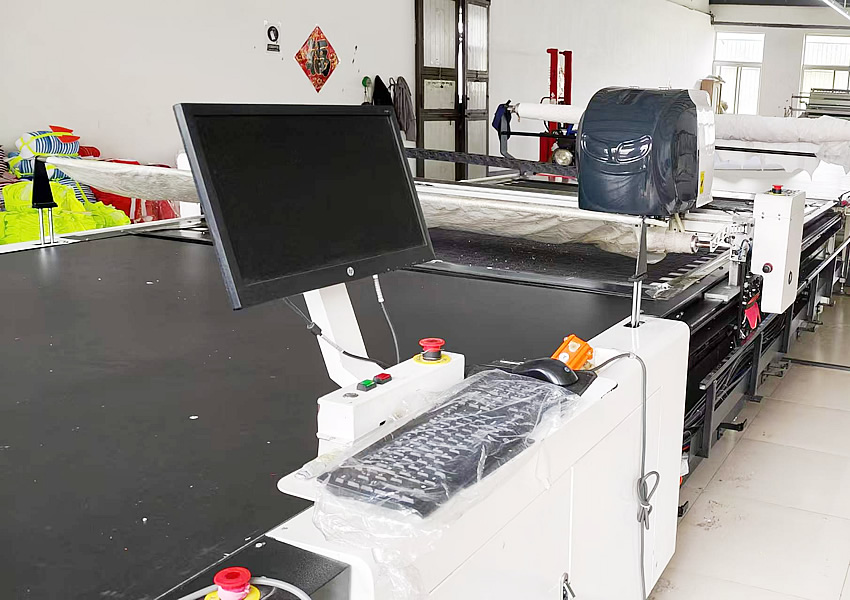
A supplier with organized production management can coordinate material purchasing, cutting, sewing, ironing, inspection, and packing more effectively. At Shijiazhuang Jinling Times Import and Export Trade Co., Ltd., hat production is supported by standardized workshops, assembly lines, automated cutting equipment, sewing capacity, and in-house ironing and packaging processes. For buyers, the useful point is not the machinery list itself; it is whether responsibility for each production stage is clear and whether the supplier can communicate changes before they become shipment problems.
Confirm the production lead time after sample approval, not just from the date of inquiry. Then leave room for inspection, final balance payment where applicable, booking, customs procedures, and transit. Retail launch dates, seasonal promotions, and event deadlines usually do not move just because a cargo shipment is late.
Define quality control and packing before the order is released
Quality control is most useful when it is tied to visible acceptance points. For bucket hats, these commonly include fabric defects, shade consistency within the agreed standard, measurements, stitch quality, brim shape, logo placement, clean finishing, labels, and packing accuracy. Buyers should explain which points are critical for their market. A fashion label may focus on silhouette and surface appearance; a distributor may be especially concerned with carton count and barcode accuracy.
Ask whether finished goods are inspected during and after production, how defects are handled, and whether photographs or inspection records can be shared before shipment. A full-process quality-control approach—from material selection through finished-product sampling and packing—reduces avoidable variation, but buyers should still put their own acceptance expectations in writing.
Packaging is not an afterthought. Individual polybags, hangtags, tissue, inner boxes, master cartons, carton marks, and retail-ready packaging all have different cost and handling implications. Overpacked hats can lose their intended relaxed look; underprotected hats can arrive crushed. The right choice depends on whether the product is going directly to stores, a fulfillment center, an event organizer, or a distributor warehouse.
Check export readiness for the destination market
For international orders, buyers should confirm shipping terms, destination documentation, labeling expectations, and any product requirements relevant to their market. Requirements can differ by country, retailer, and product composition. It is safer to identify these needs before bulk production than to discover after packing that labels, fiber information, or carton marks need to be changed.
An experienced foreign trade team can be valuable here, particularly when coordinating cross-border logistics and communicating shipment details. Still, buyers should provide their destination-specific requirements rather than assuming one export format works everywhere. Clear communication between the purchasing team, supplier, freight partner, and receiving warehouse is usually more useful than broad promises of “global delivery.”
The best bulk order begins with a locked, usable brief
Before placing a bucket hats custom logo bulk order, buyers should be able to answer a few practical questions without hesitation: What fabric and color are approved? What are the finished measurements? Which logo method and placement will be used? What sample represents production? What packing is required? What quality points are non-negotiable? And what date must the goods be ready to ship?
When these details are settled early, suppliers can focus on making the hats consistently rather than interpreting incomplete instructions during production. That is usually where durable quality, predictable delivery, and a commercially workable custom hat order begin.
Hot News

Deeply rooted in textile foreign trade for 28 years, JINLING SHIDAI continues to strengthen the core competitiveness of its source factories
Recently, Shijiazhuang Jinling Times Import and Export Trade Co., Ltd. has continued to advance its upgrades in production standardization process refinement. Since the establishment of the factory in 1997
Read Article →Fully guarantee the delivery of foreign trade orders, and efficiently and steadily advance the peak season production capacity of Jinling Times.
Entering the peak season for foreign trade shipments this year, the production workshops of Jinling Times are operating at full capacity in an orderly manner, production schedules for various
Read Article →
Need Custom Caps?
Send us your artwork and quantity — a detailed quotation within 24 hours.