


How Much Does It Cost to Make 100 Custom Hats?
How Much Does It Cost to Make 100 Custom Hats?
The cost of 100 custom hats is more than the price per cap. Fabric, construction, embroidery or printing, setup fees, and shipping all affect what you actually pay. A quote for decorated stock caps is also a different proposition from a quote for hats manufactured to your own pattern.
For a useful budget, calculate the complete order cost, then divide it by 100. For example, an illustrative order totaling $940 works out to $9.40 per hat before any import charges or taxes not included in that total. That is a calculation example, not a market average or supplier quotation. Your specification and delivery destination determine whether an actual quote comes in below or above it.
The practical question is not simply “How much does it cost to make 100 custom hats?” It is: what exactly does the quoted price buy, and what remains outside it?
Start by Comparing the Same Type of Customization
Two suppliers can quote the same quantity and still be pricing fundamentally different products. Before comparing totals, separate the main production routes.
For an event where recognition matters more than an exclusive silhouette, a suitable stock cap with clean decoration may be the sensible purchase. For a retail collection, fit and fabric hand feel may justify more development. Neither route is automatically better; they solve different problems.
Fabric and Construction: Where Similar-Looking Hats Differ
“Cotton baseball cap” is not a complete specification. Fabric weight, weave, finishing, crown structure, sweatband, closure, and visor construction can all change the result. A soft washed cap and a structured promotional cap may use cotton yet feel quite different on the head.
Cotton twill is worth considering for an everyday cap with a familiar hand feel. Polyester fabrics may suit sports applications, but fiber content alone does not establish moisture management, breathability, or UV protection. Any performance claim should be supported by relevant product information or testing.
Bucket hats introduce different decisions: brim width, lining, reversibility, and whether the fabric needs enough body to hold its shape. Knitted hats depend on yarn composition, knit structure, cuff construction, and how decoration behaves when the material stretches. Comparing these products only by unit price hides too much.
At 100 pieces, material availability deserves particular attention. An available fabric color may be practical, while a specially dyed shade can involve a larger material commitment. Ask whether the quote uses stock fabric, a close color match, or a dedicated dye lot. Those are not interchangeable promises.
Embroidery, Printing, or Patches?
Decoration should suit both the artwork and the hat. Choosing the cheapest process first can lead to a logo that technically fits but does not reproduce well.
Embroidery for a stitched finish
Embroidery is a strong option for straightforward lettering and recognizable symbols. Pricing can depend on stitch count, coverage, placement, and production handling—not just the number of thread colors. A small, densely filled design may require more work than a larger outline.
Fine lettering, gradients, and artwork crossing a front seam need careful review. Request a physical stitch-out or decorated sample rather than approving only a digital rendering. Also establish whether digitizing is included and whether the file can be reused on a repeat order.
Printing for suitable artwork and surfaces
Printing can suit detailed graphics, but the specific process matters. Screen printing, transfers, and other methods have different setup requirements and fabric compatibility. A curved crown, seams, and heat-sensitive components can complicate application. Ask which process is being quoted and approve the result on the actual material.
Patches for a distinct badge
A woven or embroidered patch can give branding a defined border and its own texture. However, patch production and attachment are separate operations. Confirm whether the price includes sewing, adhesive application, or both, and inspect edge security. A low patch price is incomplete if attachment is excluded.
A Worked Budget for 100 Hats
The following figures are deliberately hypothetical. They show how to read a quotation, not what a particular factory currently charges.
Notice how the $5.00 hat becomes a $9.40 purchase before any excluded destination charges. That gap is why a headline unit price is not enough. If decoration is already included in a supplier’s price, do not add it twice. Likewise, confirm whether sample charges are credited against production rather than assuming they will be.
For imported orders, calculate landed cost using the agreed delivery terms. Duties, taxes, clearance, and local delivery depend on the destination, classification, and transaction. Ask for a clear statement of inclusions instead of treating “shipping included” as meaning every possible charge is covered.
Factory-Direct Versus Local Decoration
Factory-direct sourcing can make sense when material selection and construction are central to the project. It allows those decisions to be discussed alongside production rather than added after a finished blank has been purchased. But direct sourcing does not automatically produce the lowest delivered cost for a small order.
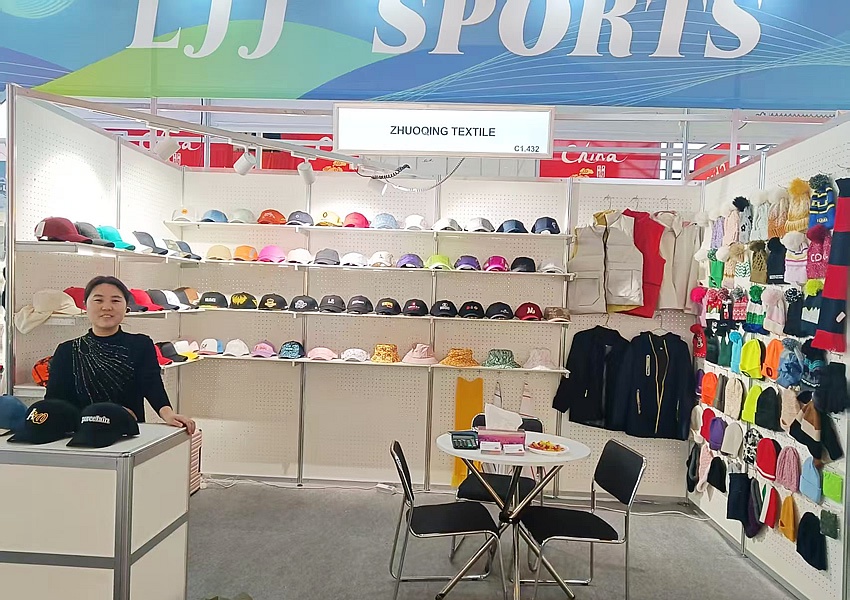
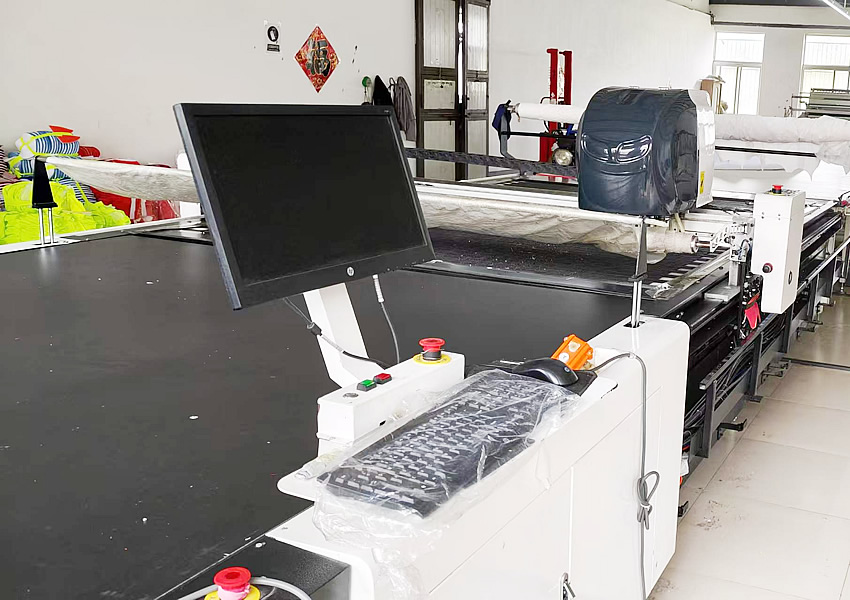
Shijiazhuang Jinling Times Import and Export Trade Co., Ltd. combines its own production factory with a foreign trade team, covering raw-material procurement, manufacturing, inspection, and export coordination. Its range includes baseball caps, bucket hats, sports hats, and knitted hats, with small-order customization and OEM/ODM capabilities. For a 100-piece inquiry, the useful discussion is which existing patterns and materials suit the brief, and which custom elements need separate development.
A local decorator may be more practical when suitable blanks are available nearby and the deadline leaves little room for international sampling and transport. Physical sample review and replenishment can also be easier. Compare both routes at the same delivery point and quality level; an overseas factory price and a locally delivered price are not directly comparable.
Where to Save—and Where Not To
For 100 hats, reducing unnecessary variation is often more useful than trimming every material component. One design in one color is simpler to organize than several small batches with different artwork. Ask whether minimums apply to the total order, each hat color, or each decoration design.
If the budget is tight, compare one strong front logo against front, side, and rear decoration. Consider an available fabric before requesting a custom shade. Simplify retail packaging if the hats will be distributed at an event.
Do not remove the sample just to make the spreadsheet look better. Crown depth, closure comfort, embroidery distortion, and brim shape are difficult to judge from a mockup. Approve a reference sample and record the specification that production must follow.
For structured caps, also check packing. A smaller carton is not a saving if compression leaves crowns misshapen. Freight comparisons should use the intended packing method, carton dimensions, and gross weight—not an early estimate disconnected from the finished product.
Get a Quote You Can Actually Approve
Send each supplier the same brief: hat style, quantity by color, material preference, logo artwork and dimensions, decoration positions, closure, labels, packing, delivery address, and required arrival date. State whether you want a decorated stock product or custom manufacturing.
Request separate confirmation of setup, sampling, production, freight, and excluded charges. Establish when the production schedule begins, how sample changes affect it, and what happens if delivered hats do not match the approved specification.
The right budget for 100 custom hats is the total needed to receive 100 acceptable hats—not merely the lowest number beside “unit price.” Start with a defined specification, compare complete quotations, and protect the features people will actually notice when they wear the hat.
Hot News

Deeply rooted in textile foreign trade for 28 years, JINLING SHIDAI continues to strengthen the core competitiveness of its source factories
Recently, Shijiazhuang Jinling Times Import and Export Trade Co., Ltd. has continued to advance its upgrades in production standardization process refinement. Since the establishment of the factory in 1997
Read Article →Fully guarantee the delivery of foreign trade orders, and efficiently and steadily advance the peak season production capacity of Jinling Times.
Entering the peak season for foreign trade shipments this year, the production workshops of Jinling Times are operating at full capacity in an orderly manner, production schedules for various
Read Article →

{item.title}
{item.description}
Need Custom Caps?
Send us your artwork and quantity — a detailed quotation within 24 hours.