


How Are Colors Matched for Custom Knitted Scarves?
How Are Colors Matched for Custom Knitted Scarves?
A custom knitted scarf can have the right logo, size, and yarn blend yet still miss the intended brand look if its color is not controlled properly. Navy may appear almost black indoors. A bright corporate red may shift warmer after finishing. A light grey ground can make a contrast logo look dull even when both yarn colors were approved separately.
That is why knitted scarf color matching is not simply a matter of selecting a shade from a digital file. It is a production process involving color references, yarn selection, knitting structure, sample approval, lighting conditions, and inspection during bulk manufacturing. For buyers sourcing OEM scarves, especially for retail programs, sports merchandise, uniforms, or promotional collections, understanding this process helps prevent the most common and costly misunderstandings before production begins.
Color Starts with a Clear Reference, Not a Screen Image
The strongest starting point is a physical color standard or a clearly identified color system reference. Many brands provide Pantone references, approved fabric swatches, prior-season samples, or a printed brand guide. These references give the factory something tangible to evaluate against. A supplied scarf, cap, jacket, or packaging sample can also be useful, although the production team still needs to assess whether the original color is suitable for the target yarn and knit construction.
A JPEG, PDF, or image pulled from a website is helpful for artwork placement, but it should not be the sole standard for color approval. Screens vary in calibration, brightness, and display technology. The same RGB value can look noticeably different on two devices, and a color that appears saturated on screen may be difficult to reproduce in yarn without adjustment.
When a physical standard is unavailable, buyers should identify the closest recognized reference and state the acceptable tolerance in practical terms. Is an exact visual match essential? Is a slightly warmer tone acceptable? Which color matters most: the main body, the logo, the stripe, or the tassel? A supplier can work more efficiently when the approval priority is clear rather than trying to interpret an unqualified “match as closely as possible.”
Why Yarn Does Not Behave Like Printed Ink
Color on a knitted scarf is created by fibers, not by a flat printed layer. Yarn has texture, twist, hairiness, and reflectivity. These characteristics affect the way light reaches the eye. A shade that looks smooth and even on a coated paper swatch may appear softer, deeper, or more dimensional after it is knitted.
The fiber composition matters as well. Acrylic, cotton, wool, polyester, recycled fibers, and blended yarns absorb dyes and reflect light differently. Even when two yarns are assigned the same nominal color reference, their final appearance may not be identical. This is particularly relevant when a scarf combines a knitted body with a woven label, embroidered badge, printed packaging, or a matching beanie made from another yarn type.
Yarn thickness and knit density also influence perception. A dense jacquard knit may make colors look more concentrated, while a looser structure can show more shadow between stitches. Ribbing, cable patterns, brushed finishes, and bulky yarns introduce additional surface variation. For this reason, an experienced supplier does not approve a color only from a yarn cone; the color should be reviewed in the intended scarf structure whenever possible.
The Practical Workflow for Knitted Scarf Color Matching
A reliable process generally moves from design information to yarn confirmation, then to a knitted sample and bulk control. Each stage answers a different question. The artwork confirms what the brand wants to communicate. The yarn options establish what can be produced. The sample shows how the chosen colors actually work together in the finished article.
- Review the artwork and color references. The factory checks the number of colors, logo detail, stripe layout, scarf dimensions, and requested yarn composition. Fine lettering or small motifs may need simplification depending on the gauge and jacquard method.
- Select available yarn shades or develop a closer option. Stock yarn colors may be suitable for straightforward designs and shorter lead-time projects. For a specific brand shade, a yarn-dyeing or color-development route may be considered, subject to the order quantity, fiber type, timing, and supplier capability.
- Prepare a knit-down or pre-production sample. This is where the design becomes a real textile object. Buyers can judge the visual relationship between colors, logo clarity, hand feel, and the effect of finishing.
- Record the approved sample. Approval should cover more than “color looks good.” It should identify the approved yarn colors, construction, dimensions, artwork version, finishing method, and packaging requirements. A retained approval sample is valuable when repeat orders are placed months later.
- Control bulk production against the approved standard. Inspection during knitting, finishing, ironing, and packing helps catch visible shade issues before the shipment stage.
For small-batch projects, it may not be commercially sensible to create a completely new dyed yarn color. In those cases, choosing from existing yarn shades and approving a physical sample early is usually more realistic than promising a perfect match to an unusual color code. This is not a compromise in quality; it is a transparent decision about what the production route can reliably support.
Lighting Can Change the Decision
A scarf should not be judged under only one light source. Colors can appear different in daylight, warm retail lighting, office lighting, and warehouse conditions. This effect, often called metamerism, is especially noticeable when colors were created using different fiber types or dye combinations. Two shades may look close under one light and separate under another.
For a color-sensitive custom order, buyers and suppliers should agree on the primary viewing condition. A winter fan scarf intended for stadium retail may be seen mainly outdoors; a premium corporate gift may be evaluated under indoor presentation lighting. The same scarf can still be checked in more than one environment, but defining the main condition prevents conflicting judgments later.
It is also important to compare samples on a neutral background. Bright tables, colored walls, or nearby garments can make a shade appear cooler or warmer than it really is. This sounds like a minor detail, but it is a common source of unnecessary disagreement during remote sample approval.
Jacquard Designs Need Special Attention
Many custom knitted scarves use jacquard knitting for logos, club names, geometric patterns, and color-blocked layouts. Jacquard provides a durable integrated design, but it is not the same as high-resolution printing. Every motif is formed through stitches, so the selected gauge determines how much detail can be shown cleanly.
A narrow outline, small registered mark, or fine gradient may not translate well into stitches. The issue is not merely visual sharpness. When colors alternate frequently across a small area, the reverse side of the scarf may have floats or a more complex yarn structure. Design review should therefore consider the front appearance, reverse appearance, weight, stretch, and comfort around the neck.
High-contrast color combinations are generally easier to read from a distance. However, contrast can also amplify small registration or yarn variation. Dark-on-light logos, fluorescent-inspired shades, and very pale pastels deserve careful sampling. A digital mockup can suggest the intended result, but it cannot replace a knitted approval sample for these designs.
Where Color Variation Usually Enters Bulk Orders
Even after a sample is approved, production consistency requires discipline. Yarn lots can show slight variation, particularly if materials are replenished during a long production cycle. Different finishing conditions may alter the surface appearance. Pressing can flatten fibers and change reflectivity; washing or softening treatments can affect the perceived depth of certain colors.
The most practical prevention is to plan quantities and materials carefully before bulk knitting starts. Where possible, the same approved yarn lot should be reserved for the order. If a substitution becomes necessary, it should be assessed against the approved sample rather than introduced silently. Buyers should also clarify whether their acceptance standard concerns individual scarves, carton-to-carton consistency, or continuity between repeat orders.
Quality control is more useful when it follows the production path. Checks can include incoming yarn review, first-piece confirmation, in-process comparison, finished-product sampling, and final packing inspection. The goal is not to pretend variation never exists; textile production always involves natural limits. The goal is to identify meaningful deviation early enough to correct it.
Questions Buyers Should Settle Before Sampling
The fastest projects are not always those with the fewest emails. They are the projects where the right decisions are made early. Before requesting a custom scarf sample, it helps to confirm the points below:
- Which physical color reference, if any, is the approval standard?
- Is the scarf made from stock-color yarn or does the project require color development?
- What fiber content, gauge, knit pattern, and finishing method are expected?
- Will the design include jacquard text, stripes, tassels, labels, embroidery, or other components that must coordinate in color?
- What sample approval method will be used: couriered physical sample, retained standard, or both?
- Are there destination-market testing, labeling, chemical compliance, or packaging requirements that need to be confirmed for the particular order?
These questions are useful for both new product launches and repeat programs. They also prevent a frequent problem: the buyer approves the scarf body but later finds that the tassel, sewing thread, label, or companion knitted hat looks slightly off. Color coordination should be evaluated as a set when the products will be sold or presented together.
Working with a Supplier That Can Follow the Color Decision Through Production
For international buyers, color communication becomes more difficult when design, sourcing, manufacturing, inspection, and shipping are handled by separate parties. The handoff points create room for a reference to be misunderstood or an approved change to be missed. A supplier with direct factory coordination can keep the artwork, yarn choice, sample comments, and production standard connected.
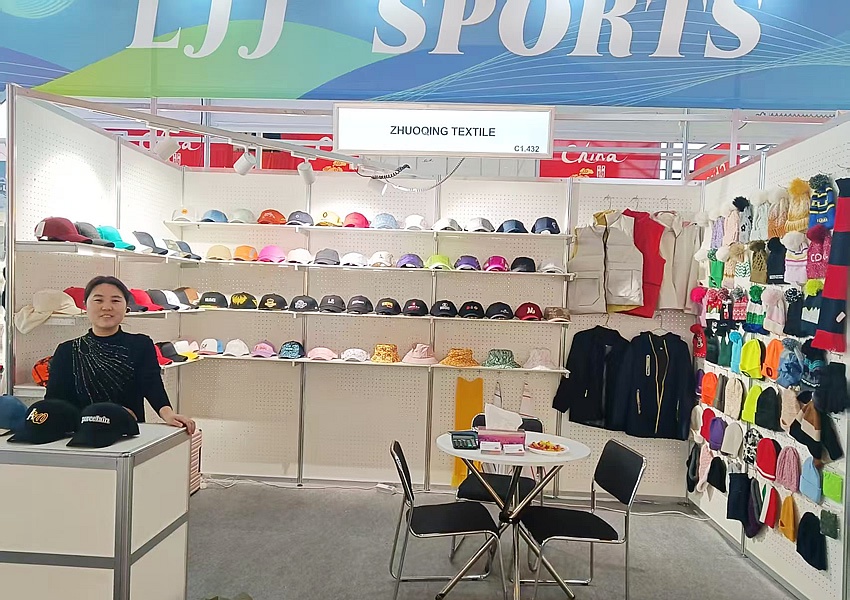
Shijiazhuang Jinling Times Import and Export Trade Co., Ltd. supports customized knitted scarves alongside knitted hats, sports headwear, baseball caps, and bucket hats. Its production and foreign trade teams coordinate sourcing, manufacturing, inspection, packing, and export arrangements within a full-chain service model. For color-led scarf projects, this structure is useful because sample comments can be communicated directly to the production side rather than being passed through multiple intermediaries.
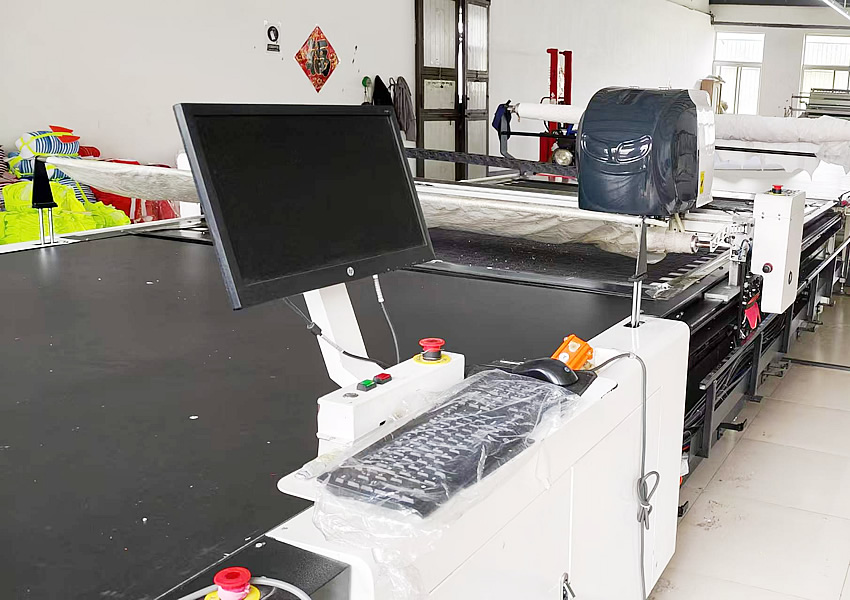
The company’s standardized workshops, assembly lines, cutting and sewing equipment, ironing, and packaging capability also support projects that combine knitted scarves with labels, accessories, or broader headwear collections. The appropriate process will still depend on the order size, construction, material, color standard, and delivery requirements. A good supplier should explain those dependencies plainly instead of treating every color request as identical.
A Better Approval Standard Produces a Better Scarf
Accurate knitted scarf color matching is less about chasing an abstract “perfect” shade and more about creating an agreed, repeatable production standard. A physical reference, suitable yarn route, knitted sample, appropriate lighting review, and documented bulk checks form a much stronger basis than a color shown on a laptop screen.
Before placing an OEM or small-batch order, provide the clearest available color reference, identify which shades are non-negotiable, and ask to see the color in the intended knit construction. That extra discipline at the sampling stage is usually what makes the final scarf look deliberate, consistent, and recognizably on-brand when it reaches the market.
Hot News

Deeply rooted in textile foreign trade for 28 years, JINLING SHIDAI continues to strengthen the core competitiveness of its source factories
Recently, Shijiazhuang Jinling Times Import and Export Trade Co., Ltd. has continued to advance its upgrades in production standardization process refinement. Since the establishment of the factory in 1997
Read Article →Fully guarantee the delivery of foreign trade orders, and efficiently and steadily advance the peak season production capacity of Jinling Times.
Entering the peak season for foreign trade shipments this year, the production workshops of Jinling Times are operating at full capacity in an orderly manner, production schedules for various
Read Article →
Need Custom Caps?
Send us your artwork and quantity — a detailed quotation within 24 hours.