


Can Promotional Hats Be Split Into Multiple Deliveries?
Can Event Hats Be Split Into Multiple Deliveries?
Yes. Promotional hats can usually be split into multiple deliveries when the production schedule, packaging plan, and destination details are confirmed early enough. For event organizers, retailers, brand teams, and distributors, this is often a practical alternative to receiving an entire order at one warehouse and managing the rest internally.
A single hat campaign may involve a product launch in several cities, a sports event with regional activations, seasonal retail promotions, or a distributor network that needs stock at different times. In these situations, asking, “Can event hats be split into multiple deliveries?” is not simply a logistics question. It affects inventory risk, cash flow, storage space, event readiness, and the consistency of the brand presentation from one location to the next.
Split delivery is possible for many custom hat programs, including embroidered baseball caps, printed bucket hats, knitted beanies, sports caps, and promotional scarves packaged as part of a winter campaign. The key is to treat the order as one coordinated production project with several release dates—not as several unrelated orders.
What “Multiple Deliveries” Can Mean for Promotional Hat Orders
The phrase can describe several different arrangements, and the right one depends on where your hats are going and when they are needed.
- Staggered deliveries to one destination: The factory produces the full quantity, while shipments are released in batches over several weeks or months.
- Split deliveries to multiple destinations: Cartons are allocated to regional warehouses, event venues, distributors, or retail locations in different countries or cities.
- Phased production and shipment: An initial quantity is completed and dispatched for an early event, while the remaining quantity continues through production and finishing.
- Mixed delivery methods: Urgent cartons may move by air or express service, while the balance travels by sea, rail, or another more economical route.
- Call-off or release schedules: Goods are made in advance and dispatched according to pre-agreed instructions, subject to storage capacity and commercial terms.
These options sound similar, but they carry different planning requirements. A campaign that needs 500 caps at a trade show next month and 5,000 more for later store promotions should be scheduled differently from an order going to six national distributors.
The Best Time to Request a Split Shipment
The earlier the request is raised, the smoother the process will be. Ideally, delivery splitting should be discussed during quotation and sample approval, before bulk production begins. At that stage, the supplier can plan raw material purchasing, production slots, carton markings, inspection timing, and shipping documentation around the actual rollout.
Late changes can still be possible, but they may create avoidable complications. For example, if all cartons have already been packed and palletized for one destination, re-sorting them for different recipients takes time and may affect dispatch dates. If each destination requires its own customs documents, labels, or delivery appointment, the logistics setup becomes more detailed.
For custom promotional hats, the first production batch is especially important. Once embroidery placement, logo color, fabric shade, sizing, labels, and packaging have been approved, later batches can be made to the same specification. This makes phased delivery far more manageable than starting separate orders at different times.
How Split Delivery Works in a Hat Manufacturing Project
A well-managed split shipment begins with a clear master order. The buyer confirms the total quantity, product specifications, decoration method, and approved artwork. Then the order is divided into planned batches.
For instance, a brand may order 10,000 embroidered baseball caps. It may need 2,000 caps delivered to an event warehouse first, 3,000 to a European distributor after the launch, and the remaining 5,000 released to several regional markets. The cap itself should remain consistent across all allocations: the same fabric, panel construction, embroidery file, closure, inner label, and packing standard.
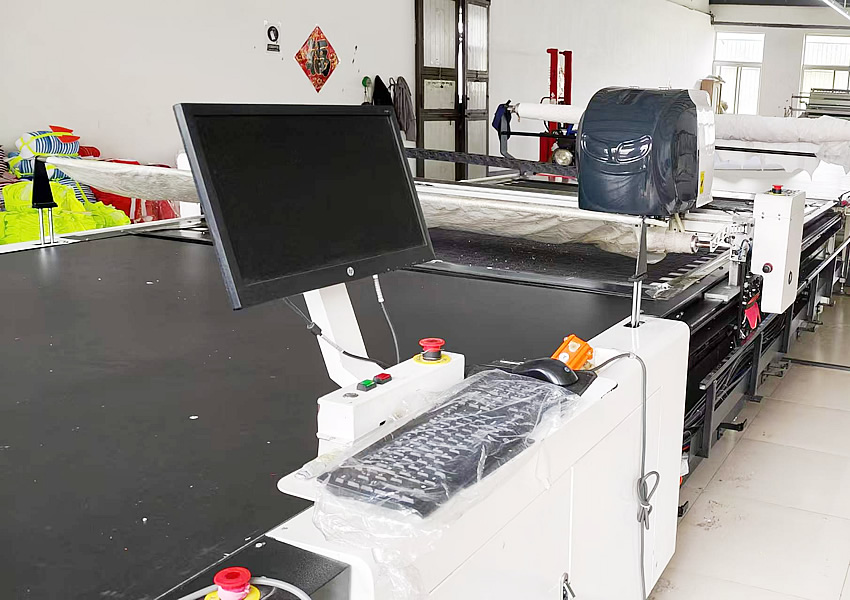
During production, the factory arranges material cutting, embroidery or printing, sewing, trimming, ironing, final inspection, and packaging according to the agreed batch sequence. At an established hat manufacturer, standardized assembly lines and automated cutting and sewing equipment help maintain repeatability when the same order is produced in larger volumes or smaller scheduled releases.
Before cartons are sealed, each batch should be counted and marked separately. Carton labels may include the product name, color, quantity, purchase order number, destination code, and batch number. This simple discipline prevents a common and frustrating problem: hats intended for an early event being packed deep inside the cartons reserved for a later delivery.
Consistency Matters More Than Convenience
Buyers sometimes assume that splitting delivery is only a shipping decision. In practice, product consistency is the more important concern. A promotional hat is a visible brand item. If the first shipment has a clean, dense embroidery finish but the later shipment shows a different thread tone, cap shape, or logo position, the campaign can look fragmented even when the quantities arrive on time.
To avoid this, the production reference should be locked before bulk manufacturing. The reference may include an approved physical sample, detailed artwork, color requirements, logo dimensions, thread selections, fabric information, and packaging instructions. For knitted hats, stitch pattern, yarn composition, label placement, and pom-pom details may also need to be specified. For bucket hats and sports caps, panel shape, brim stitching, ventilation eyelets, and sweatband construction are often relevant.
Quality inspection should be carried out for each delivery batch, not only once at the end of the total order. Checks commonly cover appearance, logo accuracy, seam quality, color consistency, size, quantity, labeling, and carton condition. Where a buyer has country-specific packaging or compliance requirements, these should be built into the quality checklist from the beginning.
When Multiple Deliveries Make Good Business Sense
Split shipment is not automatically the best choice, but it can be valuable in the right circumstances.
Regional campaigns with different launch dates
A campaign may begin in one market while another is still finalizing its retail calendar. Instead of holding back the entire order, the first region can receive its hats when needed. This is useful for brand activations, sponsored events, staff uniforms, and distributor promotions where timing has a direct impact on visibility.
Limited warehouse space
Promotional products can take up more space than expected, especially when caps are packed in protective cartons to preserve shape. If the buyer does not have room to store the full quantity, scheduled releases can reduce congestion and make inventory handling easier.
Uncertain attendance or demand
Event planners may know the total campaign budget but not the final attendance numbers for every location. Sending an initial allocation first can help control overstock. The remaining goods can then be released based on confirmed registrations, retailer orders, or distributor forecasts.
Urgent first event, less urgent balance
Sometimes the product is approved later than expected, but the first event date cannot move. A split logistics plan can prioritize the urgent quantity while allowing the rest to follow via a more cost-conscious transport method. This should be planned carefully, since air freight and express delivery can add substantial cost.
Questions Buyers Should Answer Before Requesting Split Deliveries
Clear instructions protect both the buyer and the supplier. Before placing the order, prepare the details below as completely as possible.
- Total quantity and quantity required for each delivery
- Required arrival date, not just preferred shipping date
- Full delivery address and contact person for every destination
- Whether all hats are identical or whether each region needs different colors, labels, or packaging
- Carton packing requirements, including units per carton if relevant
- Preferred shipping method and whether urgent batches need separate transport
- Importer, customs, tax, or documentation responsibilities for each market
- Whether goods can be stored before release and for how long
- How changes to delivery quantities or addresses will be handled
For international orders, shipping terms should be discussed with care. A delivery to one warehouse in one country is administratively simpler than direct distribution to several countries. Multiple destinations may require separate freight quotations, customs documentation, import arrangements, and local delivery coordination. Buyers should not assume that dividing an order means dividing the freight cost evenly; the actual cost depends on carton volume, route, transport mode, handling requirements, and destination conditions.
Potential Drawbacks to Consider
Flexible delivery is useful, but it is not without trade-offs. More shipments generally mean more handling steps. Each step creates another opportunity for delay, labeling mistakes, or added cost. Small batches can also be less economical to transport than one consolidated shipment.
Another consideration is inventory ownership. If the completed hats remain at the supplier’s facility until later release dates, both parties need a written understanding of storage duration, release notices, payment timing, insurance, and responsibility for goods after completion. A planned release schedule is much easier to manage than an open-ended request to “hold the balance for a while.”
Buyers should also avoid changing the approved design between batches whenever possible. A small logo adjustment or different packaging request may sound harmless, but it can turn a single production order into separate production runs. That may affect material use, lead time, pricing, and consistency.
A Practical Approach for Brands, Distributors, and Event Teams
The most reliable approach is to place one clearly defined master order, approve a production sample, and attach a delivery allocation sheet. This sheet should show each shipment’s quantity, destination, target dispatch window, packaging notes, and logistics contact. If the event schedule is still developing, establish a latest date for final release instructions.
Working with a supplier that controls sourcing, production, inspection, packing, and export coordination can reduce handoffs during this process. Shijiazhuang Jinling Times Import and Export Trade Co., Ltd. supports customized hat programs through its own standardized production facility and foreign trade team. For buyers ordering baseball caps, bucket hats, sports hats, knitted hats, or knitted scarves, this integrated workflow can make it easier to coordinate product consistency with phased international delivery requirements.
The goal is not merely to divide cartons. It is to ensure that every delivery arrives with the correct products, in the correct quantities, with the same brand standard, at a time that supports the campaign rather than creating more work for the team behind it.
Frequently Asked Questions
Can one promotional hat order be delivered to several countries?
Yes, provided that destination details, shipping responsibilities, and documentation requirements are confirmed in advance. Shipping to several countries requires more coordination than sending all goods to a single consolidation warehouse, especially where customs processes differ.
Can the first batch be shipped before the entire order is finished?
In many cases, yes. This is known as phased shipment. It works best when the first batch quantity and required date are agreed before production begins, allowing the factory to prioritize that portion without disrupting quality control for the rest of the order.
Will all delivery batches look exactly the same?
They should be made to the same approved specification. Consistency depends on locking the sample, materials, artwork, colors, and workmanship standards before bulk production. Batch-by-batch inspection adds another layer of control.
Does split delivery cost more?
It can. Multiple shipments may involve additional packing, documentation, handling, freight bookings, and destination charges. However, the higher logistics cost may be worthwhile if it reduces warehouse needs, prevents excess inventory, or protects an important event deadline.
What is the simplest split-delivery arrangement?
The simplest arrangement is usually several scheduled releases to one receiving warehouse. Direct delivery to multiple international locations is also possible, but it requires more detailed planning and communication.
For any buyer wondering whether event hats can be split into multiple deliveries, the short answer is yes—but success depends on early planning, an approved product standard, clear batch instructions, and realistic logistics coordination. When those elements are in place, split delivery can turn a complex promotional campaign into a more controlled and manageable operation.
Hot News

Deeply rooted in textile foreign trade for 28 years, JINLING SHIDAI continues to strengthen the core competitiveness of its source factories
Recently, Shijiazhuang Jinling Times Import and Export Trade Co., Ltd. has continued to advance its upgrades in production standardization process refinement. Since the establishment of the factory in 1997
Read Article →Fully guarantee the delivery of foreign trade orders, and efficiently and steadily advance the peak season production capacity of Jinling Times.
Entering the peak season for foreign trade shipments this year, the production workshops of Jinling Times are operating at full capacity in an orderly manner, production schedules for various
Read Article →
Need Custom Caps?
Send us your artwork and quantity — a detailed quotation within 24 hours.