


Can Custom Bucket Hats Be Reproduced From a Physical Sample?
Can Custom Bucket Hats Be Reproduced From a Physical Sample?
Yes—custom bucket hats can usually be reproduced from a physical sample. In fact, a well-preserved sample is often a better starting point than a simple product photo because it shows the hat’s real proportion, hand feel, construction, and finishing. But “reproduced” needs to be defined carefully. A factory can create a hat that looks very close to the original, yet an exact match may not be practical if the original fabric is unavailable, the wash process is not identifiable, or the branding components were made with a proprietary technique.
For buyers developing a private-label collection, replacing an existing supplier, or adapting a market reference into an original design, the physical sample is only the first piece of information. The real work is translating that object into a production-ready specification: fabric, pattern pieces, brim structure, stitching density, labels, decoration, packaging, and acceptable tolerances. This is similar to the question, “What information is needed to quote custom baseball caps?” A useful quote depends on more than a picture. The same principle applies to custom bucket hats, although their circular crown, brim profile, and fabric behavior create a few additional production variables.
A physical sample tells the factory more than photos can
Photos are helpful for discussing color blocking or logo placement, but they hide many details that affect cost and appearance. A physical bucket hat lets a development team inspect whether the crown is made from two panels, four panels, or a single continuous piece; whether the brim is softly draped or reinforced; and whether the top button, eyelets, seam tape, or sweatband are functional or decorative.
Fabric is usually the first area where visual similarity can be misleading. Two beige cotton hats may look nearly identical online, while one is a crisp twill and the other is a washed canvas with a looser hand. Their cutting behavior, shrinkage risk, embroidery performance, and final shape will differ. A brushed cotton surface can also make a logo appear less sharp than it would on a tightly woven fabric. If the original is a cotton-nylon blend, polyester microfiber, denim, corduroy, fleece, or recycled-material fabric, the factory needs to identify the closest available option before promising a replica.
The sample also reveals construction choices that buyers may not notice until bulk production arrives. For example, the brim may contain several rows of topstitching, but the spacing between those rows determines whether the brim holds its shape or waves after washing. A soft unstructured bucket hat may be intentionally casual, while another hat with a similar silhouette may rely on interfacing to maintain a clean edge. These are not small details. They affect material usage, sewing time, and the final fit.
What a factory needs before reproducing the hat
Sending a sample is useful, but it should be accompanied by a clear brief. When a buyer says, “Please copy this hat,” the factory still needs to know what is fixed and what can be adjusted. Some brands want the same visual direction at a more workable price; others need a close match for a uniform, event program, or established retail line. Those are very different projects.
- Target fabric and color: whether the goal is an exact material match, a similar appearance, or a fabric selected for a specific price point or performance need.
- Hat dimensions: crown height, crown circumference, brim width, brim angle, and intended size range. One-size designs still need a defined head-size target.
- Structure: soft or reinforced brim, lining requirement, sweatband type, eyelets, top button, internal seam binding, and whether the hat should be foldable.
- Decoration: embroidery, woven patch, printed logo, leather-look patch, applique, or all-over print. Artwork files are needed for accurate logo work.
- Branding components: main label, care label, size label, hangtag, barcode sticker, and packaging instructions.
- Order quantity and destination: these affect fabric sourcing, decoration setup, packing method, freight planning, and the practicality of custom components.
This is why a productive inquiry is not simply “Can you make this?” It is closer to: “Can you reproduce this silhouette in a cotton twill, retain the brim width, use our embroidery file, add a woven label, and pack each piece in a specified way?” That level of clarity makes sampling faster and prevents the common problem of receiving a technically acceptable hat that does not feel like the original reference.
The hardest details to copy accurately
Not every element of a bucket hat carries the same risk. The logo may be easy to reproduce once artwork is supplied, while the brim shape can remain difficult even after several samples. This is especially true for wide-brim sun hats, fashion bucket hats with a downward-facing brim, and reversible styles where both sides need to sit neatly without excess bulk at the seam.
Washed and distressed styles require extra caution. A garment-washed bucket hat may have uneven color variation, softened seams, and slight shape changes that are part of its character. Reproducing that appearance involves more than choosing a similar base fabric. The wash method, fabric dye behavior, thread color, and shrinkage allowance all need review. It is reasonable to request a “similar washed effect,” but it is risky to expect every unit to have the same irregular marks as one original sample.
Color matching is another point where experienced buyers set realistic expectations. A sample may have faded through wear, lighting exposure, or repeated washing. If no color standard is available, the factory may need to match by visual reference rather than a formal color code. That can work for many projects, but it should be agreed during sampling rather than debated after bulk goods are completed. For a branded collection, providing a confirmed color reference is generally safer than relying on a used sample alone.
Then there is decoration. Fine embroidery on a light cotton hat may require backing or adjustment to keep the fabric from puckering. A large print may need a different fabric surface than the sample uses. Embossed patches, metal badges, and rubber labels all have their own attachment and durability considerations. A factory should flag these issues early rather than silently substituting a method that merely looks close from a distance.
From reference hat to production sample
A sensible reproduction project normally begins with sample inspection. The factory studies the sample, measures the key parts, checks the fabric and accessory construction, and identifies any features that cannot be confirmed by visual inspection alone. If the original sample has no fabric composition label, the manufacturer may suggest available materials with a similar weight, texture, and performance rather than make unsupported assumptions.
Next comes the development sample. This stage is where buyers should examine the hat in hand instead of approving only through photographs. Check how it sits on the head, whether the crown collapses as expected, whether the brim turns up too easily, and whether the sweatband feels appropriate for the intended use. A bucket hat for a music festival, a resort store, outdoor promotional activity, and daily streetwear may share a basic shape, but their practical expectations are different.
The approval sample should become the reference for bulk production. Changes made after approval—such as changing fabric, widening the brim, increasing embroidery size, or switching packaging—can affect the quote and lead time. That does not mean changes are impossible. It means they should be treated as revisions, not casual comments added at the last minute.
Why the quote depends on more than the sample itself
A physical sample helps estimate the work involved, but it does not automatically provide a final manufacturing price. This is the same practical issue behind the question, “What information is needed to quote custom baseball caps?” Whether the product is a baseball cap or a bucket hat, the quote is shaped by confirmed materials, decoration method, order quantity, customized trims, packaging, and shipping requirements.
For bucket hats, fabric width and cutting efficiency matter as well. A wider brim or a reversible construction uses more material and usually requires more sewing operations. A custom printed lining, contrast seam tape, branded metal eyelets, or individual retail packaging may each be a reasonable request, but together they change both procurement complexity and unit cost. Buyers sometimes focus on the visible logo while overlooking the cost effect of custom labels, inserts, and carton requirements.
The best approach is to separate “must match” features from “nice to have” features. If the original silhouette and fabric feel are central to the brand concept, protect those first. If a particular eyelet finish or inner printed label is less important, it may be an area where the project can stay more flexible. This kind of prioritization is useful when comparing quotations from different hat manufacturers, because a lower price may reflect a different fabric, fewer brim stitches, simplified lining, or non-custom accessories.
Quality checks that matter for custom bucket hats
For a reproduction order, quality control should focus on consistency with the approved sample rather than vague ideas of “good quality.” The key checks usually include fabric color consistency, crown and brim measurements, brim symmetry, stitch appearance, decoration placement, label accuracy, loose-thread control, pressing, and packing condition. If the hats will be shipped internationally, carton marking and packing method deserve attention as well; misshapen brims caused by unsuitable packing are frustrating because the hats may have left the sewing line in good condition.
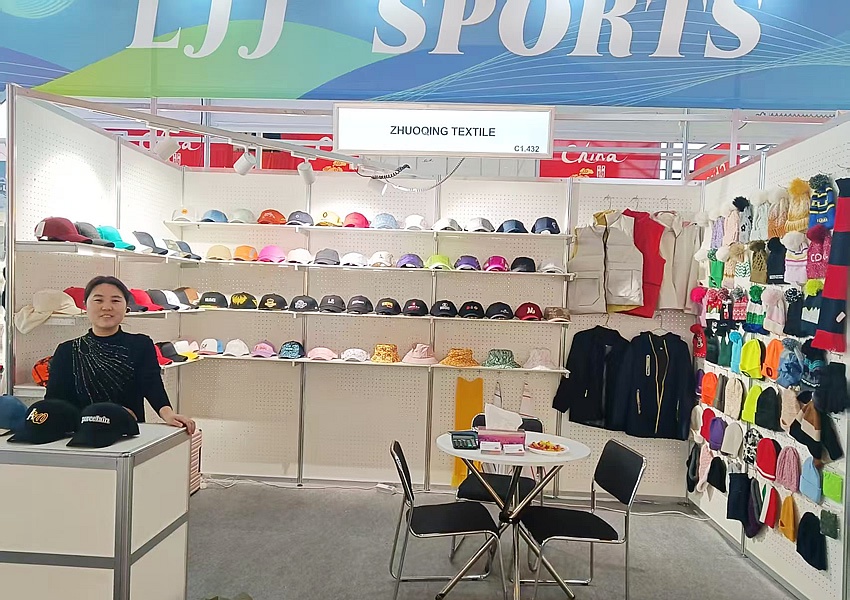
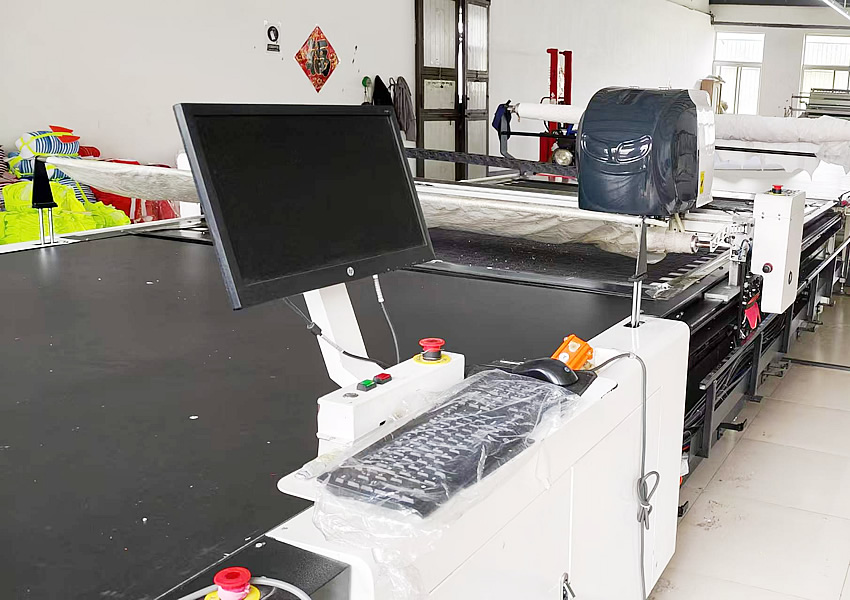
A factory with in-house cutting, sewing, ironing, and packing is generally better positioned to monitor these handoffs than a trading-only operation that relies on disconnected workshops. Shijiazhuang Jinling Times Import and Export Trade Co., Ltd. combines product sourcing, manufacturing coordination, inspection, export handling, and after-sales support through its own standardized production setup and foreign-trade team. Its hat production covers bucket hats alongside baseball caps, sports caps, knitted hats, and scarves, with capacity for both smaller custom programs and larger OEM/ODM orders.
That type of integrated workflow is particularly useful when a reference sample needs to move through several stages: material selection, pattern confirmation, decoration testing, sample approval, bulk sewing, final inspection, and export packing. Still, buyers should provide destination-market requirements early, especially when labels, packaging language, material declarations, or other local compliance details may apply. These requirements vary by product and market and should be confirmed for the specific project.
A sample is a starting point, not a complete specification
Reproducing a custom bucket hat from a physical sample is entirely achievable when the project is handled as product development rather than simple copying. The strongest results come from combining the sample with measurable dimensions, fabric expectations, artwork, branding details, order quantity, and a clear approval process.
Before sending a sample to a manufacturer, take photos of it from several angles, note which details are non-negotiable, and record any changes you want made. If the original hat is worn, faded, or missing labels, say so openly. A capable manufacturer can often propose practical alternatives, but only if the brief distinguishes between the look you want, the materials you prefer, and the details you are willing to adjust.
Hot News

Deeply rooted in textile foreign trade for 28 years, JINLING SHIDAI continues to strengthen the core competitiveness of its source factories
Recently, Shijiazhuang Jinling Times Import and Export Trade Co., Ltd. has continued to advance its upgrades in production standardization process refinement. Since the establishment of the factory in 1997
Read Article →Fully guarantee the delivery of foreign trade orders, and efficiently and steadily advance the peak season production capacity of Jinling Times.
Entering the peak season for foreign trade shipments this year, the production workshops of Jinling Times are operating at full capacity in an orderly manner, production schedules for various
Read Article →
Need Custom Caps?
Send us your artwork and quantity — a detailed quotation within 24 hours.