


Are bucket hats suitable for summer outdoor retail collections?
Yes. Bucket Hats are well suited to summer outdoor retail collections when the assortment is built around heat, sun exposure, packability, and the way people actually dress for travel and leisure. Their appeal comes from a practical silhouette rather than a short-lived novelty: a downward brim protects the forehead, ears, and upper face more evenly than many caps, while a soft crown makes the style easy to carry between outdoor activity and everyday wear.
The category performs best when it is treated as a flexible summer accessory rather than a single fashion item. A lightweight cotton style can sit beside casual resort apparel; a quick-drying synthetic version fits beach, fishing, camping, and water-adjacent ranges; a structured canvas model works with workwear-inspired streetwear. These uses share the same basic shape but require different fabric choices, brim construction, color direction, and finishing details. A collection that treats all versions as interchangeable often creates avoidable problems with comfort, appearance, or sell-through.
Why the silhouette has a place in warm-weather ranges
Summer headwear needs to solve an immediate problem without feeling burdensome. A full circumferential brim gives more usable shade than a visor and usually feels less formal than a wide-brimmed sun hat. The crown is low and rounded, so it works with casual clothing, active clothing, swimwear cover-ups, and festival-oriented outfits without asking the wearer to change their overall look.
That versatility matters at retail because summer demand is fragmented. One shopper may be preparing for a city break with long walks; another may need a washable hat for a beach holiday; another may simply want a soft accessory that completes a streetwear look. A bucket shape can cross these occasions, but the material and construction must signal the intended use clearly. A heavy washed twill hat displayed as a technical outdoor item, for example, may disappoint when it absorbs sweat and dries slowly. A thin polyester hat can be functional near water yet look out of place in a premium natural-fabric capsule unless its surface, stitching, and color are handled carefully.
The silhouette also supports seasonal color changes efficiently. Neutral shades such as khaki, navy, black, off-white, olive, and muted grey remain useful because they coordinate with outdoor apparel and luggage. Brighter tones, contrast linings, floral prints, checks, and washed pigments can create a more expressive summer story without changing the core pattern. This allows a range to include familiar commercial colors alongside smaller, more directional options rather than relying on a completely new hat shape each season.
Fabric determines whether the hat feels suitable outdoors
Material selection should begin with the likely temperature, humidity, activity level, and exposure to water. “Lightweight” alone is not a sufficient specification. Fabric weight, fiber content, weave density, finishing, color depth, and lining all affect heat retention and wear comfort. A light-colored dense cotton may block sunlight well but feel warmer than an open-weave fabric. A very thin fabric may feel cool while offering little structure, allowing the brim to collapse into the eyes or lose its intended profile after washing.
For hot, dry environments, breathable cotton, cotton blends, or lighter woven synthetics can work well when the crown is not overbuilt. In humid climates, moisture management becomes more noticeable than basic air permeability. A fabric that dries slowly can feel uncomfortable even if it is thin. For water-related activities, a synthetic shell with a breathable crown construction is often more appropriate than cotton, especially where the hat is likely to be splashed, packed damp, or worn repeatedly over a short trip.
Mesh is sometimes treated as an automatic solution for summer, yet placement matters. A full mesh crown changes the appearance and may reduce protection in areas exposed to direct sun. Small mesh side panels or concealed ventilation eyelets can improve air exchange while preserving the familiar silhouette. Metal eyelets should be examined for clean attachment, smooth inner edges, and compatibility with washing or salt-air exposure. Decorative eyelets that rust, loosen, or touch the head uncomfortably create a quality problem that may not be visible in a flat sample.
Brim shape changes the product's usefulness
The brim is the working part of the hat. Width affects shade, wind behavior, packing, and the visual balance of the crown. A narrow brim gives a compact, fashion-led profile but offers limited protection to the ears and neck. A broader brim provides more coverage, though it can become floppy if the fabric and interfacing are too soft. Excessively rigid brims may look neat at first but resist folding and can crack, crease, or distort after repeated packing.
Brim stitching deserves closer attention than it often receives. Multiple rows of topstitching help control the curve and distribute stiffness across the brim. The number of rows is less informative than stitch consistency, thread tension, and the relationship between fabric thickness and seam density. Puckering near the brim edge can make the circle uneven. Loose thread tension can allow rippling after laundering. Where a contrast thread is used as a design feature, small stitch irregularities become much easier to see.
Outdoor-oriented versions often include a chin cord, cord lock, or adjustable rear feature. These details are useful in wind, on boats, or during active movement, but they should match the actual product position. A dangling cord on a minimalist city-travel hat can feel unnecessary, while a weak cord lock on a beach style defeats the purpose of including it. The attachment point should be reinforced and placed so the cord does not pull the crown out of shape. Removable cords offer flexibility, although the removal system must not leave conspicuous tabs or exposed rough edges.
Comfort is shaped by components that are easy to overlook
A summer hat can fail even when its shell fabric is appropriate. The sweatband has direct contact with the skin and strongly influences how the hat feels after extended wear. A thick absorbent band may be comfortable at first but can retain perspiration and dry slowly. A very narrow or synthetic-feeling band may reduce bulk but become irritating in heat. The right choice depends on the intended activity and the crown structure, not on a generic preference for either thick or thin sweatbands.
Crown depth and circumference should be reviewed together. A shallow crown may look contemporary but can ride upward during movement, particularly on larger head sizes. An oversized crown may provide ventilation but look unstable and create a loose fit in wind. Size labels also need more scrutiny than a simple “one size” description suggests. Elastic, drawcords, internal adjusters, and fixed circumferences each create different fitting behavior. A sample should be worn, folded, and handled rather than judged only on a mannequin or tabletop.
Interior seams need a clean finish because soft hats are often worn for long periods. Raw seam allowances, abrasive tapes, bulky labels, and poorly trimmed threads become more noticeable in warm weather. Where an unlined crown is used to reduce weight and improve breathability, seam neatness becomes even more visible. A lined version can offer a more finished appearance, but a full lining may trap heat and delay drying. Partial lining or localized reinforcement can be a better compromise for some styles.
Color and decoration need to match the summer use case
Color selection affects both style and wear behavior. Light shades reflect more sunlight and visually communicate summer, but pale cotton may show makeup, dust, sunscreen, or rain marks. Deep shades are versatile and can make embroidery stand out, yet they absorb more heat and may reveal fading after prolonged exposure. Garment dyeing and pigment washing can create an attractive relaxed character, but variation between production lots should be expected and approved as part of the intended look rather than treated as a defect after delivery.
Embroidery, patches, woven labels, screen prints, and heat-applied graphics each place different demands on the base fabric. Dense embroidery on a lightweight crown can pull the fabric, create a stiff area against the forehead, or distort the front panel after washing. Large rubber patches can add visual impact but may feel heavy or trap heat. Printed artwork requires attention to fabric texture and color: a fine line design that looks sharp on smooth polyester may lose definition on heavily washed cotton or pronounced ripstop.
Placement matters as much as decoration type. Front-center branding is familiar, but side embroidery, underside-brim print, tonal woven labels, and small back details can create distinction without overloading a compact hat. Decoration should be tested on the production fabric, not only shown as digital artwork. The fabric's shrinkage, surface finish, seam position, and crown curvature all influence the final result.
Assortment planning benefits from clear use-based separation
A summer range does not need many near-identical styles. It benefits more from a small number of clearly differentiated constructions. A soft cotton bucket hat can cover casual and promotional needs. A ripstop or washed utility version can serve outdoor lifestyle presentations. A lightweight quick-dry style with an adjustable retention feature can address active, travel, and water-focused settings. These styles may share a recognizable family appearance while avoiding direct competition with one another.
Confusion often arises when appearance is used as the only sorting principle. Two black hats may look similar on a product rail but perform very differently after an afternoon outdoors. The fabric should therefore be described in practical terms: soft washed twill, structured ripstop, quick-dry woven shell, or packable lightweight construction. Those descriptions connect the hat to a real occasion and reduce the chance that a fashion-oriented product is mistaken for a high-activity one.
Seasonal timing also affects material choices. Early-summer deliveries can tolerate somewhat more substantial cotton constructions in many markets, while peak heat periods favor lighter crowns, paler colors, breathable components, and fast-drying fabrics. Late-summer collections may retain darker utility colors because they bridge into transitional apparel. This does not require a complete redesign; a shared pattern can be adapted through fabric, lining, brim stiffness, and trim selection.
Sampling should reveal use conditions, not only appearance
Before finalizing a style, the sample review should include the situations that create the most common complaints. Fold the hat as it would be packed in a tote or suitcase, then allow it to recover. Wear it with the brim dry and after light moisture exposure. Inspect whether the brim keeps a reasonable curve, whether the crown twists at seam intersections, and whether the sweatband stays flat. Examine the inside after decoration is applied, especially when embroidery backs or patch stitches sit close to the forehead.
Washing and color behavior require the same practical approach. A washed finish, deep pigment tone, or contrast lining should be evaluated for rubbing, staining, and visible change at high-contact areas. A product intended for beach or travel use should not be assessed solely as a pristine showroom item. Sand, sunscreen, moisture, repeated folding, and casual laundering are part of its likely life. The goal is not to eliminate every sign of wear; it is to ensure that normal use does not quickly make the product look distorted, uncomfortable, or poorly made.
Quality consistency also depends on agreeing the visible standard before volume production. The approved sample should establish brim angle, crown height, stitch density appearance, logo placement, fabric tone, and the acceptable character of washing or dye variation. A written measurement tolerance is useful, but it cannot replace a visual reference for a soft accessory whose shape is influenced by fabric behavior. Flat measurements alone do not show whether the hat sits evenly on the head.
For summer outdoor collections, the category is strongest when function and styling support the same promise. A breathable, packable, well-proportioned hat in an appropriate fabric has a longer selling window than a novelty version built only around color or decoration. The shape is familiar enough to work across retail settings, while fabric and construction choices provide the differentiation that determines whether it feels genuinely ready for sun, movement, travel, and repeated seasonal wear.
Hot News

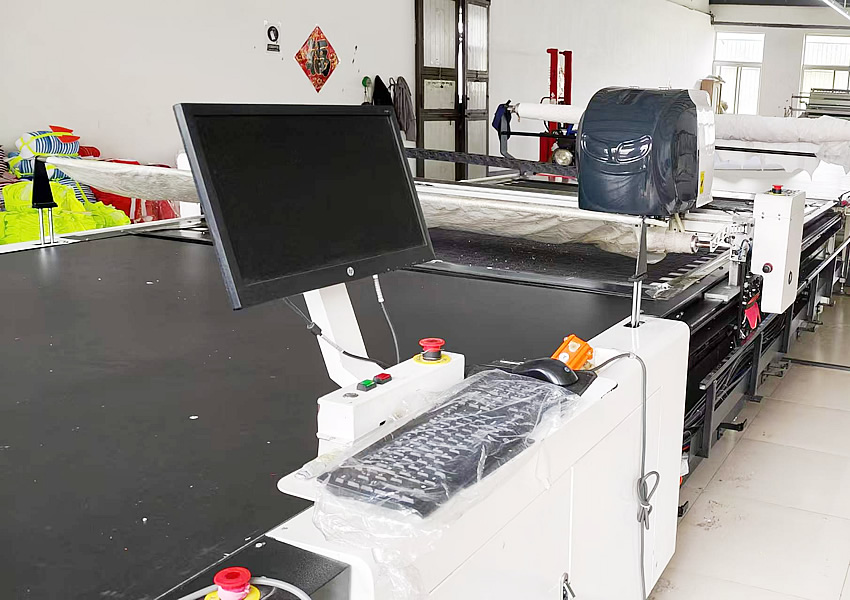
Deeply rooted in textile foreign trade for 28 years, JINLING SHIDAI continues to strengthen the core competitiveness of its source factories
Recently, Shijiazhuang Jinling Times Import and Export Trade Co., Ltd. has continued to advance its upgrades in production standardization process refinement. Since the establishment of the factory in 1997
Read Article →Fully guarantee the delivery of foreign trade orders, and efficiently and steadily advance the peak season production capacity of Jinling Times.
Entering the peak season for foreign trade shipments this year, the production workshops of Jinling Times are operating at full capacity in an orderly manner, production schedules for various
Read Article →
Need Custom Caps?
Send us your artwork and quantity — a detailed quotation within 24 hours.