


Are Bucket Hats Better Than Caps for Outdoor Promotions?
Bucket hats are not automatically better than caps for outdoor promotions, but they are often the stronger choice when sun coverage, casual appeal, and all-around logo visibility matter. Caps remain the practical option for sport-led events, structured uniforms, and campaigns that need a familiar, low-risk promotional item. The right decision depends less on which style is “better” and more on where people will wear it, how long they will be outside, and what the branding needs to achieve after the event ends.
For a short outdoor giveaway, a cap may be enough. For a summer festival, beach activation, travel promotion, outdoor retail event, or staff program with long exposure to the sun, a bucket hat can provide a more useful product that recipients are more likely to keep. Practical value matters in promotional headwear: a branded item only continues to market the brand when people actually choose to wear it.
Where bucket hats have the advantage
The defining feature of a bucket hat is its downward-facing brim. Unlike a baseball cap, which mainly shades the forehead and eyes, a bucket hat can offer more even coverage around the face, ears, and upper neck. The exact protection depends on brim width, fabric density, color, and construction, but the basic design is better suited to relaxed outdoor wear in strong sun.
That makes bucket hats especially appropriate for promotions connected with leisure, travel, music, outdoor work, camping, fishing, streetwear, resorts, and warm-weather events. They have a less formal appearance than a structured cap, which helps when a campaign wants to feel approachable rather than corporate.
Branding also works differently on a bucket hat. A cap usually concentrates the logo on the front crown, sometimes with an additional side or back detail. A bucket hat offers a front panel, side panels, and the brim area as potential visual surfaces. This does not mean every area should carry a logo. Over-decoration can make the item look like a disposable giveaway. Still, the extra usable space gives designers more flexibility for a small repeated mark, contrast stitching, woven label, printed band, or campaign graphic.
A bucket hat can also make a stronger visual impression in photographs. At a group event, the silhouette is more distinctive than a standard cap, especially when the brim, fabric color, or all-over pattern is part of the campaign identity. This can be useful for event staff, influencer kits, retail displays, and branded outdoor experiences.
Why caps remain a dependable promotional choice
Baseball caps are familiar, easy to understand, and accepted across many age groups and settings. Their curved or flat visor creates a recognizable sporting silhouette, while the front panel gives a clear, conventional place for a logo. For a brand that needs broad appeal without taking a style risk, this familiarity has real value.
Caps are usually the better fit when movement is central to the event. Running activities, golf days, cycling events, team-building programs, and sports promotions often benefit from a cap’s forward visor and more secure crown. Adjustable back closures also make one-size distribution easier. A poorly fitted hat is likely to stay in a bag, so adjustability should be considered part of the promotional result, not a minor specification.
They are also more compatible with uniforms. A clean, structured cap can look consistent with polo shirts, workwear, jackets, and event lanyards. Bucket hats can work for staff uniforms too, but the wider brim creates a more casual visual message. That may be ideal for a beach event or outdoor market, yet less suitable for a formal hospitality team or a premium business event.
The fabric choice can change the answer
Comparing the hat styles without discussing fabric can lead to the wrong purchase. The same bucket hat design can feel cool and packable in a lightweight cotton twill, stiff and durable in heavier canvas, quick-drying in polyester, or more technical in a performance blend. A cap has the same variation: a breathable mesh-back cap behaves very differently from a heavy brushed cotton style.
For outdoor promotions in hot, dry conditions, buyers often look for fabrics that feel comfortable against the skin and hold their shape without becoming overly heavy. Cotton and cotton blends are common because they are familiar, easy to decorate, and suitable for casual wear. A lighter construction can be more comfortable for long events, but it should still provide enough body for clean embroidery or printing.
For humid weather, water activities, or campaigns where hats may get wet, synthetic fabrics can be more practical. Polyester and nylon-based options generally dry more quickly than cotton and can work well for sport, travel, and outdoor utility themes. However, decoration methods need to match the material. Fine embroidery, heat transfers, screen printing, and woven patches do not produce the same result on every fabric, especially on lightweight or textured surfaces.
Canvas bucket hats are a common mistake when buyers focus only on durability. They can look substantial and premium, but a heavy canvas style may feel too warm for a midsummer promotion. Conversely, an ultra-light fabric may collapse at the brim or fail to present a large embroidered logo cleanly. The sample should be judged as a complete item: fabric weight, brim shape, decoration, comfort, and packing behavior all interact.
Logo visibility is not just about logo size
A large logo does not necessarily produce better promotional visibility. On a bucket hat, oversized front embroidery can pull the fabric, distort the crown, or make a wearable style look like a uniform piece. On a cap, a front logo that is too large may overpower the panel and reduce the perceived quality.
Good headwear branding considers viewing distance and how the item is worn. A small, high-contrast logo placed well can be more recognizable than a large low-contrast design. For bucket hats, side embroidery or a woven label may add interest while keeping the front clean. A contrast brim or custom-printed fabric can communicate the campaign color without repeatedly placing the logo around the hat.
Color selection deserves the same attention. A dark hat may make light embroidery stand out, but it can absorb more heat under direct sun. A pale hat may be cooler-looking for a summer event, yet light-colored fabric can show dirt more easily in outdoor use. For an event lasting a day, this may not matter much. For resale merchandise or staff headwear used repeatedly, it can affect how long the product remains presentable.
Fit, wind, and packing are the details that decide whether people wear it
Outdoor promotions are often planned around branding and budget, while wearability receives less attention. That creates disappointing outcomes. A hat that looks good on a product render but feels unstable in wind, tight around the head, or difficult to pack will have limited value after distribution.
Caps offer an obvious adjustment point through a metal buckle, hook-and-loop closure, plastic snap closure, or fabric strap. The chosen closure should suit the campaign tone. A metal buckle can feel more refined; a snap closure has a casual sportswear association; hook-and-loop is simple but may catch on hair or other fabrics over time.
Bucket hats should be assessed for crown circumference, brim depth, and retention. A chin cord is useful for boating, beach, hiking, and open-air events where wind is likely. It is less desirable for a city lifestyle promotion where a clean silhouette matters more. Some bucket hats use an internal drawcord for adjustment, which can retain a neater exterior appearance. This feature should be specified early because it affects construction and cost.
Packability also has two sides. A soft bucket hat can fold into a bag more easily than a structured cap, making it convenient for travel-related promotions and mailer campaigns. Yet a brim that creases permanently can look low quality when unpacked. Requesting a pre-production sample and checking its appearance after packing is more useful than assuming “foldable” means “presentable.”
Choose by campaign conditions, not fashion preference
Bucket hats are usually the stronger choice when the campaign is designed around prolonged sun exposure, leisurewear, visual distinction, or a broad lifestyle message. They are particularly effective when the hat itself is intended to be part of the event experience, not merely an item handed out at registration.
Caps are usually the safer choice when the promotion needs sports functionality, easy size adjustment, a conventional logo presentation, or consistent staff uniform styling. They may also be better for audiences that prefer a familiar everyday accessory over a more trend-led silhouette.
There is also a practical middle ground: use different styles for different roles. A branded bucket hat can be offered as a premium giveaway or retail item, while caps are used for event crew, volunteers, or active participants. This is not necessary for every project, but it can make sense when the visual campaign and the working requirements are different.
Questions to settle before placing an order
A useful specification starts with the conditions of use rather than a logo file. Before selecting a bucket hat or cap, clarify the following:
- Will recipients wear the hat in strong sun, light rain, wind, or mainly for short periods?
- Is the campaign athletic, leisure-focused, retail-oriented, or part of a staff uniform?
- Does the logo need prominent front placement, or would a subtler branded treatment suit the item better?
- Will the hats be handed out on site, shipped individually, or packed with other promotional materials?
- Does the event need adjustable sizing, or can the chosen bucket-hat construction accommodate the expected fit range?
- Which fabric suits the climate and decoration method without making the hat uncomfortable?
These answers narrow the options quickly. They also prevent a common sourcing error: approving a visual design before deciding how the product will actually be worn.
Working with a headwear supplier
For custom promotional hats, the supplier should be able to translate the campaign brief into workable construction details. That includes fabric selection, crown and brim shape, sizing approach, decoration method, color matching, labels, packaging, and quality inspection before shipment. A factory that produces both bucket hats and caps can help compare the options against the same artwork and intended use instead of treating them as unrelated products.
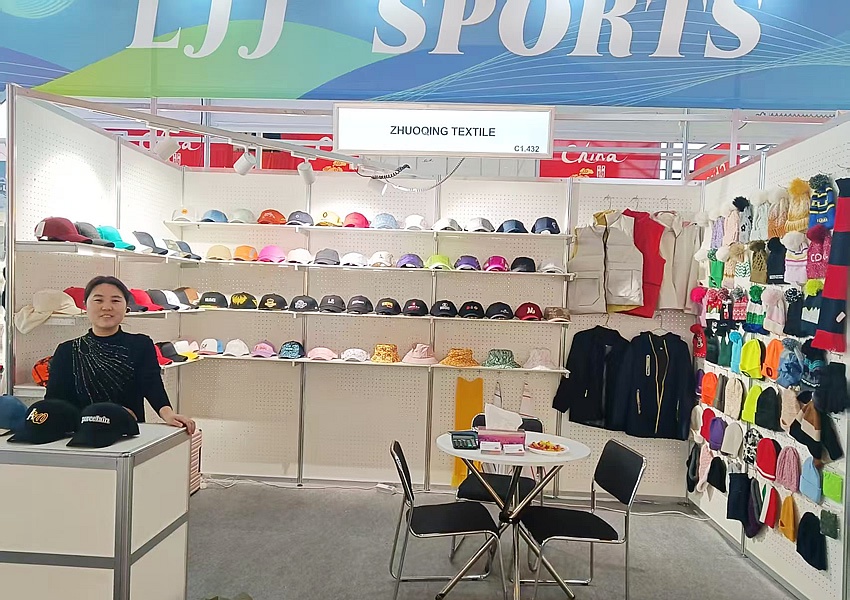
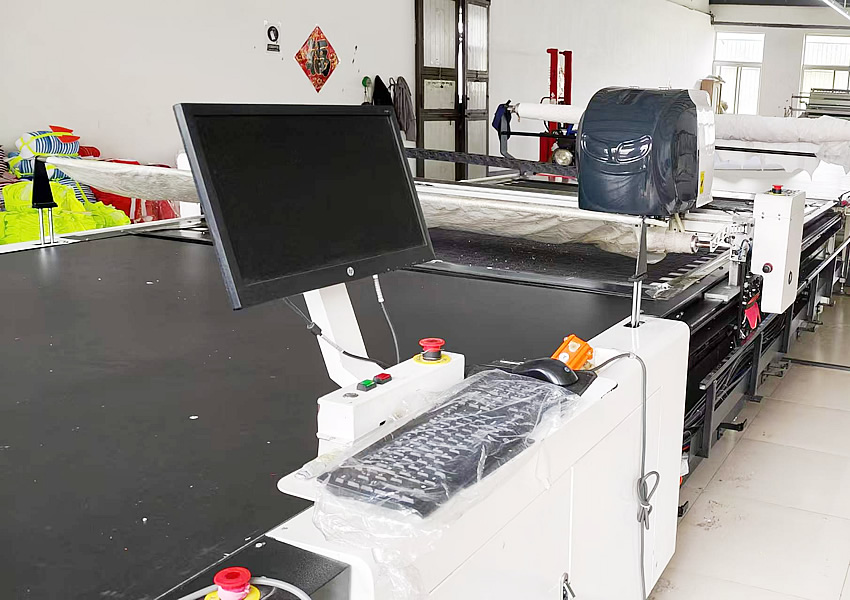
Shijiazhuang Jinling Times Import and Export Trade Co., Ltd. produces customized headwear including bucket hats, baseball caps, sports caps, knitted hats, and scarves. Its production capability covers both larger runs and smaller custom orders, with cutting, sewing, finishing, packaging, and quality-control processes managed through the production chain. For overseas buyers, the practical benefit is being able to discuss product construction, sample approval, packing, and delivery requirements through one sourcing partner.
The most useful request to make is not simply “quote a bucket hat and a cap.” Provide the event setting, expected season, desired decoration, quantity range, packaging needs, and whether the item is meant for giveaways, staff, or retail. A supplier can then recommend materials and construction that support the campaign rather than offering a generic style that happens to be available.
FAQ
Are bucket hats more expensive than promotional caps?
They can be, particularly when the brim construction, fabric, print coverage, chin cord, or custom trim adds complexity. A basic cap can also become more expensive when it uses structured panels, premium fabric, multiple embroidery locations, or specialized closures. Compare complete specifications, not only the starting style.
Can a bucket hat carry embroidery well?
Yes, when the fabric has enough stability and the artwork is suited to the available panel area. Dense embroidery on very light fabric may cause puckering, while fine details may not reproduce clearly. Simplifying the design often improves the finished appearance.
Which style is better for a summer festival giveaway?
A bucket hat is often the better fit because it offers broader shade and has a relaxed, event-friendly look. A cap still makes sense when the festival has a sports, team, or performance identity, or when adjustable fit is the main priority.
Should promotional hats include a chin cord?
Use one when wind retention is part of the functional need, such as beach, boating, hiking, or open-field events. For casual urban promotions, a chin cord may be unnecessary and can change the style in a way that recipients are less likely to wear later.
The better promotional hat is the one that fits the setting well enough to become part of the recipient’s routine. Choose a bucket hat when sun coverage and relaxed outdoor styling support the campaign. Choose a cap when secure fit, sports relevance, and familiar branding matter more. In either case, fabric, fit, and decoration quality will have more influence on long-term promotional value than the hat category alone.
Hot News

Deeply rooted in textile foreign trade for 28 years, JINLING SHIDAI continues to strengthen the core competitiveness of its source factories
Recently, Shijiazhuang Jinling Times Import and Export Trade Co., Ltd. has continued to advance its upgrades in production standardization process refinement. Since the establishment of the factory in 1997
Read Article →Fully guarantee the delivery of foreign trade orders, and efficiently and steadily advance the peak season production capacity of Jinling Times.
Entering the peak season for foreign trade shipments this year, the production workshops of Jinling Times are operating at full capacity in an orderly manner, production schedules for various
Read Article →
Need Custom Caps?
Send us your artwork and quantity — a detailed quotation within 24 hours.